Verify

You Need to Verify Your Account to Start Posting - Kindly request Activation

Postagens promovidas
Are You Ok Please Mention Your location Now
0 Comentários 0 Compartilhamentos 2K Visualizações 0 Anterior
Atualizações Recentes
Italy
  • 0 Comentários 0 Compartilhamentos 707 Visualizações 0 Anterior
  • Benefits of Using Crankshaft Grinding Machine | RA Power Solutions

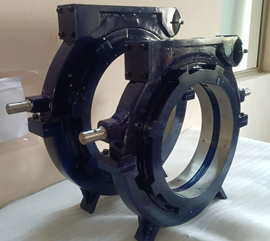
    RA Power Solutions has over 45 years of experience in onsite crankshaft repair and grinding. Our team performs crankshaft machining without removing it from the engine block, reducing downtime and saving costs on transport and packing. We offer 24×7 worldwide service with trained technicians and modern equipment. For more details regarding crankshaft grinding machine, please email us at rajshahani@rapowersolutions.com, info@rapowersolutions.com, or call us at +91 9582647131 or +91 9810012383.

    Visit our website:- https://www.crankshaftgrindingmachine.com/benefits-of-using-crankshaft-grinding-machine/


    Benefits of Using Crankshaft Grinding Machine | RA Power Solutions RA Power Solutions has over 45 years of experience in onsite crankshaft repair and grinding. Our team performs crankshaft machining without removing it from the engine block, reducing downtime and saving costs on transport and packing. We offer 24×7 worldwide service with trained technicians and modern equipment. For more details regarding crankshaft grinding machine, please email us at rajshahani@rapowersolutions.com, info@rapowersolutions.com, or call us at +91 9582647131 or +91 9810012383. Visit our website:- https://www.crankshaftgrindingmachine.com/benefits-of-using-crankshaft-grinding-machine/
    WWW.CRANKSHAFTGRINDINGMACHINE.COM
    Onsite Crankshaft Grinding Services | RA Power Solutions
    RA Power Solutions provides Onsite Crankshaft Grinding Services with decades of expertise, ensuring precise engine maintenance. Visit now!
    0 Comentários 0 Compartilhamentos 177 Visualizações 0 Anterior
  • Planning a family trip to Milan? Discover the best family-friendly apartments and hotels in Milan that combine comfort, space, and convenience for your whole crew. From cozy family apartments with kitchens to top-rated Milan hotels with kid-friendly amenities, we’ve rounded up the perfect stays for every budget. Ready to explore Milan stress-free? Visit: https://casabonitarho.com/
    Planning a family trip to Milan? Discover the best family-friendly apartments and hotels in Milan that combine comfort, space, and convenience for your whole crew. From cozy family apartments with kitchens to top-rated Milan hotels with kid-friendly amenities, we’ve rounded up the perfect stays for every budget. Ready to explore Milan stress-free? Visit: https://casabonitarho.com/
    0 Comentários 0 Compartilhamentos 143 Visualizações 0 Anterior
  • Crankshaft Grinding Machine - Combodia

    RA Power Solutions has sold numerous crankshaft grinding and polishing machines across the globe. Crankshaft grinding machines have helped shipping companies, repair workshops, and heavy engineering plants make more profit and work more efficiently. We have provide crankshaft grinding machines in many different countries Singapore, Kuwait, Oman, UK, South Africa, Qatar, Greece, Dubai, Iraq, Bahrain, and more. For more information regarding onsite crankshaft grinding machine, please email us at rajshahani@rapowersolutions.com, or info@rapowersolutions.com, or call us at +91 9582647131 or +91 9810012383. Visit our blog:- https://rapowersolutions.com/BlogDetails.aspx?blogname=crankshaft-grinding-machine-revolutionary-technology

    Crankshaft Grinding Machine - Combodia RA Power Solutions has sold numerous crankshaft grinding and polishing machines across the globe. Crankshaft grinding machines have helped shipping companies, repair workshops, and heavy engineering plants make more profit and work more efficiently. We have provide crankshaft grinding machines in many different countries Singapore, Kuwait, Oman, UK, South Africa, Qatar, Greece, Dubai, Iraq, Bahrain, and more. For more information regarding onsite crankshaft grinding machine, please email us at rajshahani@rapowersolutions.com, or info@rapowersolutions.com, or call us at +91 9582647131 or +91 9810012383. Visit our blog:- https://rapowersolutions.com/BlogDetails.aspx?blogname=crankshaft-grinding-machine-revolutionary-technology

    Crankshaft Grinding Machine Manufacturer In India
    Explore our top-notch crankshaft grinding machine manufacturer in India, proudly manufactured in India. Unleash power today, call us now.
    0 Comentários 0 Compartilhamentos 204 Visualizações 0 Anterior
  • Cast Iron Cylinder Liner Manufacturer - RA Power Solutions

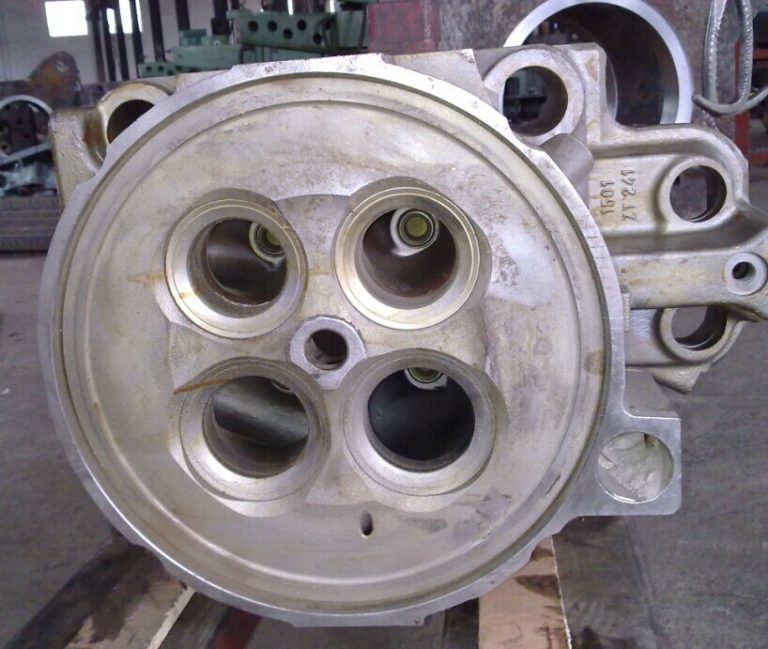
    RA Power Solutions makes high-quality Cylinder Liners and sleeves for all kinds of diesel engines. These are used in pumps, compressors, marine engines, and heavy industrial machines. With over 45 years of experience, we ensure top performance, long life, and accurate fitting. For more information regarding cylinder liner manufacturer, please email us at rajshahani@rapowersolutions.com, info@rapowersolutions.com, or call us at +91 9582647131 or +91 9810012383. Visit our website blog:- https://rebabbittingbearing.com/cylinder-liners-of-engine/
    Cast Iron Cylinder Liner Manufacturer - RA Power Solutions RA Power Solutions makes high-quality Cylinder Liners and sleeves for all kinds of diesel engines. These are used in pumps, compressors, marine engines, and heavy industrial machines. With over 45 years of experience, we ensure top performance, long life, and accurate fitting. For more information regarding cylinder liner manufacturer, please email us at rajshahani@rapowersolutions.com, info@rapowersolutions.com, or call us at +91 9582647131 or +91 9810012383. Visit our website blog:- https://rebabbittingbearing.com/cylinder-liners-of-engine/
    REBABBITTINGBEARING.COM
    Cylinder Liners of Engine | Engine Cylinder Liner Manufacturer
    Explore RA Power Solutions' expertise in manufacturing and exporting various types of engine cylinder liners, including steel, and marine.
    0 Comentários 0 Compartilhamentos 166 Visualizações 0 Anterior
  • 0 Comentários 0 Compartilhamentos 1K Visualizações 0 Anterior
  • 0 Comentários 0 Compartilhamentos 1K Visualizações 0 Anterior
  • 0 Comentários 0 Compartilhamentos 1K Visualizações 0 Anterior
  • Integrating Safety Management Dashboards in the Workplace

    In Speakup4safety means more than just reacting to accidents. It’s about preventing them before they occur. Organizations need tools that help them manage safety in a proactive and data-driven way. That’s why health and safety dashboards are important—they make audits and risk management easier by showing real-time data and clear visuals.

    These dashboards give companies real-time insights to monitor safety performance, track incidents, and make informed decisions. Dashboards can greatly improve safety outcomes. Use them daily—whether you’re addressing a near miss or getting ready for an environmental compliance audit.

    What Are Safety Dashboards?
    A safety dashboard is a visual tool that shows important safety and security information in one place. It helps organizations track and understand key safety points, like health and workplace safety. These dashboards give real-time or frequent updates. They help managers and staff quickly see how safe things are and spot areas that need work. They also collect key safety data in one place, helping teams easily track and manage safety performance.

    learn more : https://speakup4safetyapp.com/blog/integrating-safety-management-dashboard/
    Integrating Safety Management Dashboards in the Workplace In Speakup4safety means more than just reacting to accidents. It’s about preventing them before they occur. Organizations need tools that help them manage safety in a proactive and data-driven way. That’s why health and safety dashboards are important—they make audits and risk management easier by showing real-time data and clear visuals. These dashboards give companies real-time insights to monitor safety performance, track incidents, and make informed decisions. Dashboards can greatly improve safety outcomes. Use them daily—whether you’re addressing a near miss or getting ready for an environmental compliance audit. What Are Safety Dashboards? A safety dashboard is a visual tool that shows important safety and security information in one place. It helps organizations track and understand key safety points, like health and workplace safety. These dashboards give real-time or frequent updates. They help managers and staff quickly see how safe things are and spot areas that need work. They also collect key safety data in one place, helping teams easily track and manage safety performance. learn more : https://speakup4safetyapp.com/blog/integrating-safety-management-dashboard/
    SPEAKUP4SAFETYAPP.COM
    Safety-Management-Dashboard | SpeakUp4Safety
    Learn how a safety management dashboard enhances workplace safety. Get tips on integration, daily use, employee engagement, and overcoming challenges.
    0 Comentários 0 Compartilhamentos 167 Visualizações 0 Anterior
  • How Operational Risk Management Boosts Workplace Safety


    What is Operational Risk Management?
    Speakup4Safety App in ORM is a structured process to find, assess, reduce, and monitor safety risks at work. It addresses common hazards that can cause accidents, regulatory violations, or operational disruptions.

    ORM helps teams stay ahead of daily risks, whether on job sites, in warehouses, during routine tasks, or out in the field. It’s a practical approach to identifying hazards early, taking action quickly, and keeping people safe during daily operations.

    The main goals of ORM:

    Prevent workplace accidents and injuries
    Improve safety performance
    Meet regulatory and audit requirements
    Reduce downtime and safety-related costs
    By managing risks early and often, companies can avoid surprises and stay ahead of safety problems.

    A Step-by-Step Guide to ORM: 4 Key Phases
    A strong ORM system follows a clear, four-step process that helps teams identify risks early, take action quickly, and prevent workplace accidents.

    Step 1: Risk Identification
    Start by examining your workplace for any condition, activity, or system that could potentially cause harm or disrupt operations

    Examples of common risks:

    Frayed electrical wires near machinery
    Workers not using PPE (personal protective equipment)
    Incomplete safety protocols for new hires
    Tip: Do walk‑throughs, ask frontline workers, and review past incidents.

    Step 2: Risk Assessment
    After identifying a risk, assess how likely it is to occur and how severe the impact would be if it did.

    Key considerations:

    Chance: How likely is it?
    Impact: What harm could it cause?
    Step 3: Risk Control
    Once prioritized, apply appropriate controls to eliminate or minimize each risk.

    Examples of controls:

    Add guards or ventilation
    Update procedures
    Train staff
    Post warning signs
    Best Practice: Always remove the hazard if you can, rather than relying only on PPE.

    Step 4: Monitoring and Review
    After implementing controls, monitor their effectiveness over time. ORM is not a set-and-forget approach.

    How to do this:

    Schedule regular safety audits
    Analyze incident and near-miss data for patterns
    Get feedback from employees on what’s working
    Update controls as conditions or equipment change
    Safety checks and records are key to meeting D.Lgs 81/2008 and ISO standards. Digital ORM tools help automate these tasks and keep everything audit-ready.

    Together, these four steps form the foundation of a proactive safety culture, but their success depends heavily on one key practice: accurate and timely incident reporting.

    Why Incident Reporting Is Essential in Operational Risk Management?
    Incident reports give teams the facts they need to make safety decisions. A single unreported trip can lead to a second, serious injury. Missing a forklift near‑miss may hide a layout problem.

    For example:

    A worker trips on a poorly secured cable but doesn’t report it. Two weeks later, another employee suffers a serious injury in the same spot.
    A near miss involving a forklift goes unreported. Management remains unaware of a blind spot in the warehouse layout that later contributes to a collision.
    Every report: injury, near miss, or hazard, adds to risk visibility. With clear data, teams spot patterns and stop issues before they grow. Digital tools make incident reporting instant, trigger alerts, and store audit‑ready records.

    Even though it’s important, many companies still find it hard to build a strong reporting culture, which makes ORM harder to implement.

    Learn more : https://speakup4safetyapp.com/blog/how-operational-risk-management-boosts-workplace-safety/
    How Operational Risk Management Boosts Workplace Safety What is Operational Risk Management? Speakup4Safety App in ORM is a structured process to find, assess, reduce, and monitor safety risks at work. It addresses common hazards that can cause accidents, regulatory violations, or operational disruptions. ORM helps teams stay ahead of daily risks, whether on job sites, in warehouses, during routine tasks, or out in the field. It’s a practical approach to identifying hazards early, taking action quickly, and keeping people safe during daily operations. The main goals of ORM: Prevent workplace accidents and injuries Improve safety performance Meet regulatory and audit requirements Reduce downtime and safety-related costs By managing risks early and often, companies can avoid surprises and stay ahead of safety problems. A Step-by-Step Guide to ORM: 4 Key Phases A strong ORM system follows a clear, four-step process that helps teams identify risks early, take action quickly, and prevent workplace accidents. Step 1: Risk Identification Start by examining your workplace for any condition, activity, or system that could potentially cause harm or disrupt operations Examples of common risks: Frayed electrical wires near machinery Workers not using PPE (personal protective equipment) Incomplete safety protocols for new hires Tip: Do walk‑throughs, ask frontline workers, and review past incidents. Step 2: Risk Assessment After identifying a risk, assess how likely it is to occur and how severe the impact would be if it did. Key considerations: Chance: How likely is it? Impact: What harm could it cause? Step 3: Risk Control Once prioritized, apply appropriate controls to eliminate or minimize each risk. Examples of controls: Add guards or ventilation Update procedures Train staff Post warning signs Best Practice: Always remove the hazard if you can, rather than relying only on PPE. Step 4: Monitoring and Review After implementing controls, monitor their effectiveness over time. ORM is not a set-and-forget approach. How to do this: Schedule regular safety audits Analyze incident and near-miss data for patterns Get feedback from employees on what’s working Update controls as conditions or equipment change Safety checks and records are key to meeting D.Lgs 81/2008 and ISO standards. Digital ORM tools help automate these tasks and keep everything audit-ready. Together, these four steps form the foundation of a proactive safety culture, but their success depends heavily on one key practice: accurate and timely incident reporting. Why Incident Reporting Is Essential in Operational Risk Management? Incident reports give teams the facts they need to make safety decisions. A single unreported trip can lead to a second, serious injury. Missing a forklift near‑miss may hide a layout problem. For example: A worker trips on a poorly secured cable but doesn’t report it. Two weeks later, another employee suffers a serious injury in the same spot. A near miss involving a forklift goes unreported. Management remains unaware of a blind spot in the warehouse layout that later contributes to a collision. Every report: injury, near miss, or hazard, adds to risk visibility. With clear data, teams spot patterns and stop issues before they grow. Digital tools make incident reporting instant, trigger alerts, and store audit‑ready records. Even though it’s important, many companies still find it hard to build a strong reporting culture, which makes ORM harder to implement. Learn more : https://speakup4safetyapp.com/blog/how-operational-risk-management-boosts-workplace-safety/
    SPEAKUP4SAFETYAPP.COM
    Operational-Risk-Management | SpeakUp4Safety
    Learn how Operational Risk Management boosts workplace safety using digital tools like SpeakUp4Safety to identify, assess, and control risks.
    0 Comentários 0 Compartilhamentos 136 Visualizações 0 Anterior
  • 0 Comentários 0 Compartilhamentos 2K Visualizações 0 Anterior
  • 0 Comentários 0 Compartilhamentos 2K Visualizações 0 Anterior
Mais Stories