


DevSecOps Explained: How to Secure Your CI/CD Pipeline from Day One
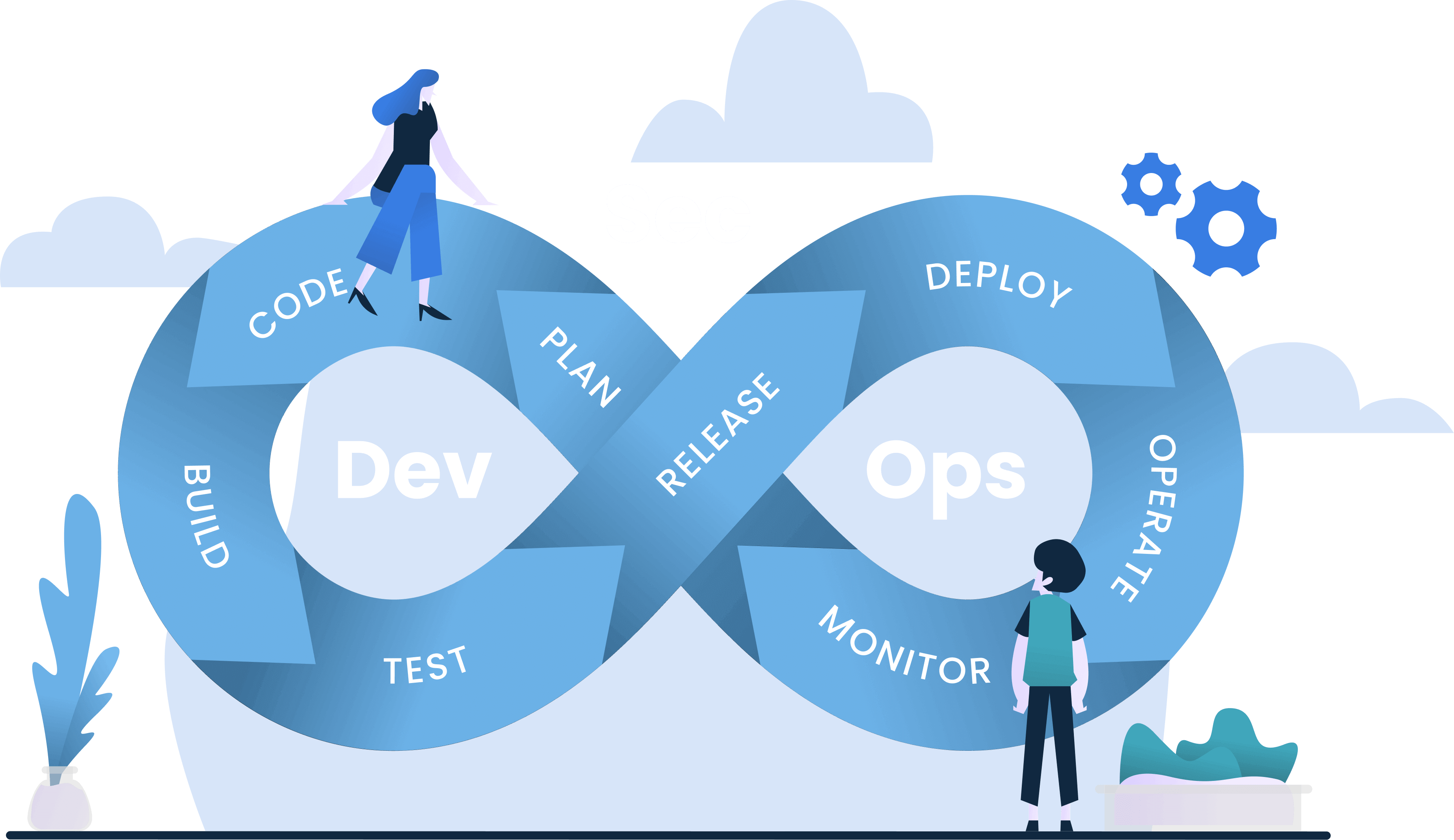
In the age of rapid development cycles, cloud-native applications, and increasingly sophisticated cyber threats, traditional software development practices can no longer keep up. Enter DevSecOps—the integration of security practices directly into the DevOps pipeline.
DevSecOps ensures that security is not an afterthought, but a foundational element from the start of development to final deployment. A critical yet often overlooked aspect of DevSecOps is Linux and Unix OS support, which forms the backbone of most enterprise and cloud infrastructures. Without securing the underlying operating systems, even the most sophisticated CI/CD tools can become a liability.
What Is DevSecOps?
DevSecOps stands for Development, Security, and Operations. It aims to embed security measures across every stage of the software lifecycle—from coding and building to testing, deploying, and monitoring. Unlike traditional models where security is tacked on at the end, DevSecOps promotes:
-
Automated security testing in CI/CD pipelines
-
Early detection of vulnerabilities
-
Continuous monitoring and incident response
-
Collaboration between developers, security teams, and operations
The core idea is simple: make security everyone’s responsibility.
Why Securing the CI/CD Pipeline Matters
Modern software delivery is fast. Developers push code daily—or even hourly—through Continuous Integration (CI) and Continuous Deployment (CD) systems. This speed, while valuable, introduces serious risk if security is ignored:
-
Insecure code may be released into production
-
Misconfigured infrastructure can be exploited
-
Open-source dependencies may contain known vulnerabilities
A DevSecOps approach ensures that all these risks are managed without slowing down the development cycle. And the foundation of a secure CI/CD system? You guessed it—Linux and Unix OS support.
The Role of Linux and Unix OS Support in DevSecOps
Most CI/CD environments, containers, orchestration tools, and cloud services run on Linux or Unix-based systems. Docker, Kubernetes, Jenkins, GitLab CI, and almost all major cloud platforms use Linux as their default operating environment.
Here’s why Linux and Unix OS support is critical for DevSecOps:
1. System Hardening
Security starts at the OS level. Linux and Unix systems must be hardened by:
-
Disabling unused services
-
Setting proper permissions and ownerships
-
Applying kernel-level security modules (e.g., SELinux or AppArmor)
-
Configuring secure SSH and firewall settings
Proper support ensures that OS-level vulnerabilities don’t compromise the pipeline.
2. Patch Management
Automated updates and patches are vital. Without ongoing Linux and Unix OS support, critical security updates can be missed—leaving pipelines exposed to CVEs and zero-day attacks.
3. Access Control and Auditing
Secure DevOps environments require granular user access policies, sudo restrictions, and audit logs. Tools like sudo, auditd, and systemd-journald must be configured properly to detect unauthorized changes or breaches.
4. Container Security
Containers are built on Linux namespaces and cgroups. Supporting the Linux host OS is essential to:
-
Scan container images
-
Enforce runtime policies
-
Prevent privilege escalation attacks
DevSecOps without attention to the base OS is like building a house on sand.
Building a Secure DevSecOps Pipeline: Step-by-Step
To implement DevSecOps from day one, organizations must align development speed with security best practices. Here’s how:
1. Choose the Right Tools
Opt for DevSecOps-friendly tools like:
-
Jenkins, GitLab CI/CD, CircleCI for pipeline automation
-
SonarQube, Snyk, or Trivy for vulnerability scanning
-
Terraform or Ansible for secure infrastructure-as-code
Ensure these tools are installed and maintained with robust Linux and Unix OS support.
2. Integrate Security Early (Shift Left)
Add static code analysis (SAST) and dependency checks early in your CI pipeline. Automate checks for:
-
Insecure code patterns
-
Open-source license violations
-
Outdated dependencies
3. Automate Testing and Scanning
Use automated tools to test every code commit for security flaws. Schedule scans for:
-
OS-level vulnerabilities
-
Container misconfigurations
-
Network exposure risks
4. Implement Least Privilege and RBAC
Use Role-Based Access Control (RBAC) and enforce least privilege principles across environments. Secure SSH keys, rotate credentials, and monitor access logs.
5. Continuously Monitor and Improve
Adopt tools that offer real-time threat detection and logging. SIEM tools, system logs, and alerts should feed into your security operations. Without proper Linux and Unix support, these logging systems may not function correctly or might miss crucial alerts.
Real-World Example: The Cost of Ignoring the OS
A mid-sized software company built a fast, automated deployment pipeline using GitLab and Docker. However, they didn’t configure firewall rules or audit logs on their Ubuntu servers. A misconfigured container exposed the system to the internet, and a botnet exploited the Docker socket to gain root access.
The breach resulted in:
-
Days of downtime
-
Regulatory fines
-
Loss of customer trust
Had the team incorporated DevSecOps principles with strong Linux and Unix OS support, this breach could have been prevented.
Conclusion
DevSecOps is more than just a trendy buzzword—it’s a critical mindset shift that secures your software from the inside out. But it’s not enough to automate scanning or add firewalls at the end. True DevSecOps begins with a secure foundation—one rooted in properly supported operating systems.
Linux and Unix OS support is the glue that holds the DevSecOps pipeline together. Without it, the most advanced CI/CD tools are vulnerable to breaches, misconfigurations, and downtime.
For organizations serious about delivering secure, scalable, and high-performance software, investing in robust OS-level security is not optional—it’s essential. Start your DevSecOps journey with the OS in mind, and build security in from day one.

 English
 Arabic
 French
 Spanish
 Portuguese
 Deutsch
 Turkish
 Dutch
Dutch
 Italiano
 Romaian
 Portuguese (Brazil)
 Greek
Greek