


Tips for Proper Pipe Installation in New Homes
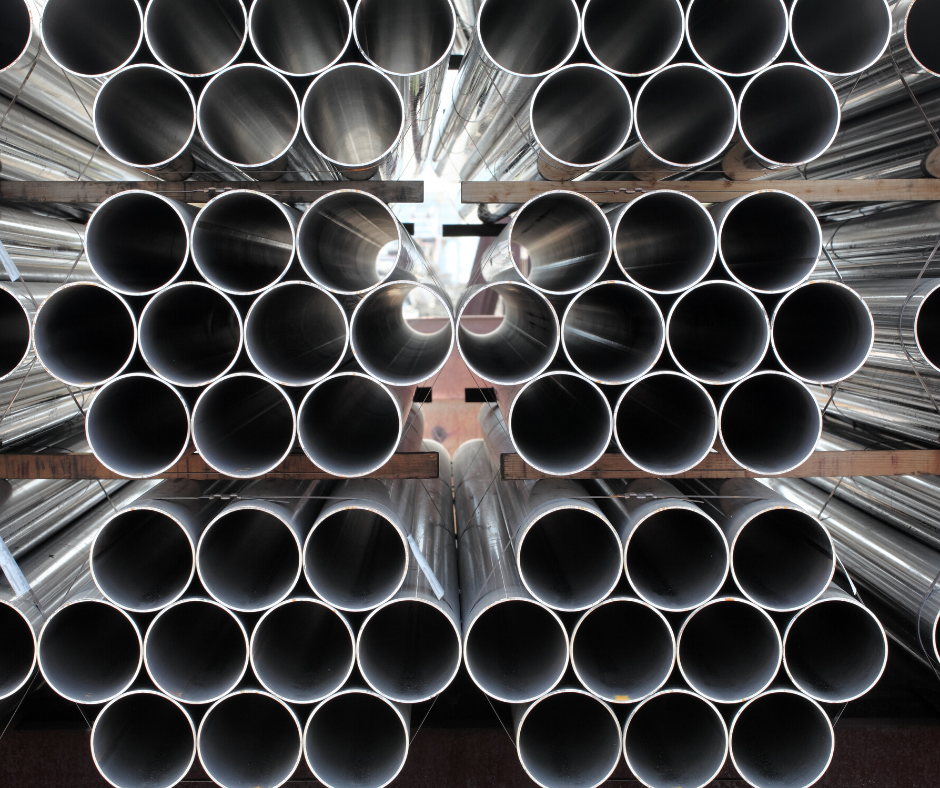
When building a new home, every structural component matters—but one of the most crucial elements that often goes unnoticed is the piping system. Proper pipe installation ensures long-term durability, efficient water flow, and minimal maintenance costs down the road. Whether you're a builder, contractor, or homeowner overseeing construction, it's essential to understand the key practices that lead to reliable pipework.
In this article, we’ll go over expert tips for installing pipes in new homes, keeping performance, safety, and budget in mind. These insights are drawn from years of plumbing standards and industry best practices that help prevent issues like leaks, clogs, or pipe bursts.
1. Start with a Detailed Plumbing Plan
Before any work begins, develop a comprehensive plumbing layout. This plan should clearly indicate:
-
Locations of all fixtures (sinks, toilets, bathtubs, etc.)
-
Type and size of pipes needed
-
Route of water supply and drainage systems
Planning helps avoid last-minute adjustments and ensures efficient use of materials. Make sure the design complies with local building codes and includes provisions for future expansion if needed.
2. Choose the Right Pipe Material
Different areas of your home may require different piping materials. For instance:
-
PVC and uPVC: Ideal for drainage systems and cold-water lines.
-
CPVC: Suitable for hot water lines.
-
PEX: Flexible and easy to install, great for tight spaces.
-
HDPE: Durable and resistant to impact, often used underground.
Trusted brands like Plasco Pipes offer a wide range of certified piping materials for residential and commercial needs. Make sure to source pipes that match the climate and water pressure requirements in your region.
3. Pay Attention to Slope and Alignment
For drainage pipes, proper slope is essential to allow gravity to do its job. A typical guideline is a 1/4 inch drop per foot of horizontal pipe run. Incorrect slopes can lead to water pooling or slow drainage.
In water supply lines, maintaining straight alignment reduces friction and potential stress points. Use pipe hangers or brackets to support long horizontal runs and avoid sagging.
4. Allow for Pipe Expansion and Contraction
Pipes expand and contract due to temperature changes, especially in hot water lines. Install expansion loops or flexible couplings to accommodate this movement. Failing to plan for thermal expansion can cause cracks or leaks over time.
5. Avoid Mixing Different Metals
When connecting copper to steel or galvanized pipes, use a dielectric union to prevent galvanic corrosion. Mixing metals without proper transition fittings can lead to premature failure and costly repairs.
6. Seal Joints Properly
Use thread seal tape or pipe dope on threaded joints to ensure a leak-proof connection. On solvent-welded joints (like PVC), apply the appropriate primer and cement as per manufacturer instructions.
Let joints cure completely before pressurizing the system to prevent weakening or displacement.
7. Conduct Pressure Testing Before Closing Walls
Once pipes are installed, conduct pressure testing with water or air to detect any leaks or weak connections. This must be done before walls, floors, or ceilings are sealed.
Testing early saves time, cost, and hassle of future repairs that would require tearing down finished interiors.
8. Label Shut-Off Valves Clearly
Install individual shut-off valves for each bathroom, kitchen, and appliance. Label them clearly for easy access in case of leaks or repairs. Main shut-off valves should be placed in an accessible location known to all household members.
9. Keep Pipes Insulated
For energy efficiency and freeze protection, insulate hot water pipes and those that run through cold zones like attics or basements. Foam sleeves or wraps are inexpensive but highly effective in maintaining water temperature and avoiding frozen lines.
10. Work with Experienced Installers
Even with the best materials, poor workmanship can lead to long-term issues. Hire licensed plumbers who follow industry standards and local codes. They’ll know the nuances of pipe fitting, testing, and inspection that can make all the difference in performance.
Final Thoughts
A well-installed piping system is the foundation of a functional, safe, and low-maintenance home. From selecting the right materials to ensuring accurate slopes and secure joints, every step contributes to a system that performs reliably for decades.
Whether you’re starting fresh or just supervising the build, these tips will help you achieve a smooth plumbing installation process.
Looking for trusted, durable piping solutions? Choose Plasco Pipes for your next project. Their quality pipes ensure that your home’s plumbing stands the test of time.

 English
 Arabic
 French
 Spanish
 Portuguese
 Deutsch
 Turkish
 Dutch
Dutch
 Italiano
 Russian
 Romaian
 Greek
Greek