


Understanding the Importance of Signal Control Cables in Industrial Applications
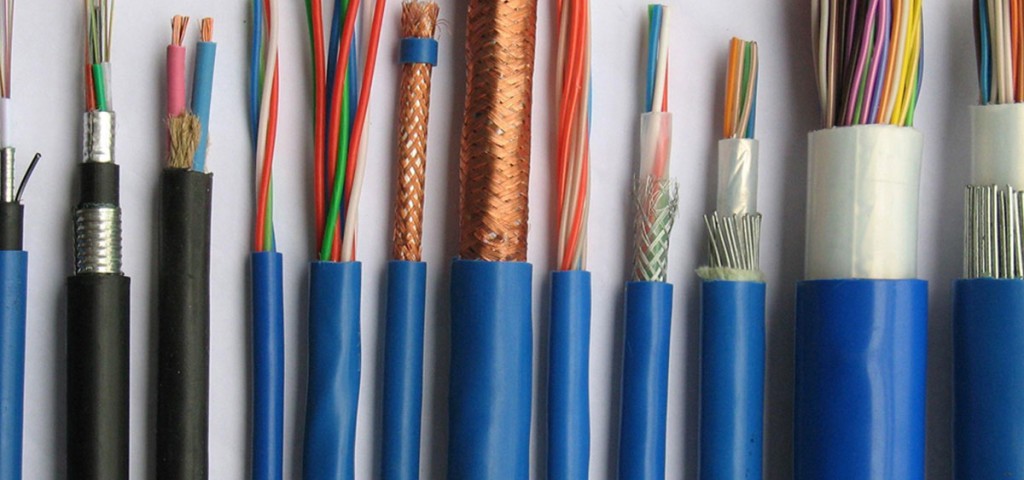
In today’s highly automated world, industries depend on uninterrupted communication between devices and control units. This seamless communication is made possible by a crucial yet often overlooked component: the signal control cable. From power plants to manufacturing units, signal control cables ensure that signals are transmitted accurately and reliably across various systems.
What is a Signal Control Cable?
A signal control cable is a type of multi-core cable designed specifically for the transmission of low-voltage signals. These cables are typically used in environments where precise control and data transfer are essential. Whether it's relaying commands to a motor or transmitting feedback to a control unit, these cables play a vital role in maintaining process integrity and safety.
Key Features of Signal Control Cables
-
Shielding: Most signal control cables come with shielding (such as foil or braid) to protect against electromagnetic interference (EMI), ensuring clean and uninterrupted signal flow.
-
Flexibility: Designed to withstand continuous movement in industrial settings, these cables are highly flexible and durable.
-
Fire Resistance: Many control cables meet fire-retardant or flame-resistant standards, making them suitable for critical infrastructure.
-
Oil and Chemical Resistance: Industrial-grade cables are built to resist oils, chemicals, and harsh environmental conditions.
Applications of Signal Control Cables
Signal control cables are used across a wide range of industries, including:
-
Automation Systems: Transmitting signals between PLCs (Programmable Logic Controllers) and field devices.
-
Machine Tools: Controlling the movement and functions of machines in production lines.
-
Building Management Systems (BMS): Managing lighting, HVAC, elevators, and security systems.
-
Energy and Utilities: Monitoring and controlling systems in power plants and substations.
Why Choosing the Right Signal Control Cable Matters
Choosing the right signal control cable is critical to the success of any industrial setup. An improperly selected cable can result in signal degradation, communication failure, or even safety hazards. Key considerations include the cable’s shielding, temperature rating, voltage requirements, and environmental exposure.
Conclusion
Signal control cables may not always be visible, but they are the backbone of modern industrial communication. Their ability to transmit data and commands reliably makes them an indispensable asset in any automated system. When sourcing signal control cables, always opt for quality and compliance with international standards to ensure long-term reliability and safety.

 English
 Arabic
 French
 Spanish
 Deutsch
 Turkish
 Dutch
Dutch
 Italiano
 Russian
 Romaian
 Portuguese (Brazil)
 Greek
Greek