


Boiler Replacement: When and Why You Should Upgrade Your Heating System
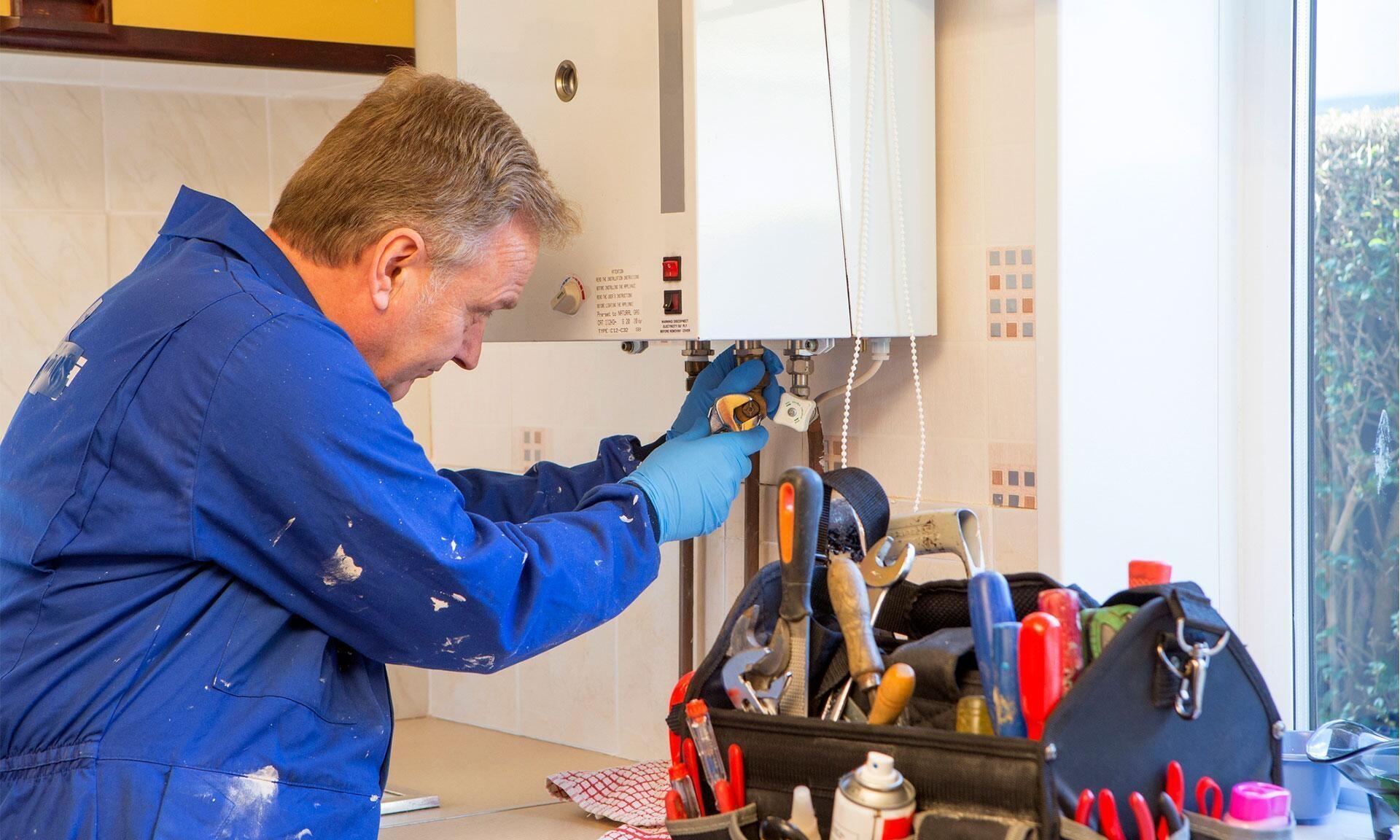
A reliable boiler is essential for maintaining a warm and comfortable home during the colder months. But like all major appliances, boilers don’t last forever. When your system starts showing signs of inefficiency, frequent breakdowns, or rising energy bills, it may be time to consider a boiler replacement. Making the right choice can save you money, improve home comfort, and increase energy efficiency for years to come.
In this article, we’ll explore the key reasons for boiler replacement, how to know when it’s time, and what to expect during the process.
Signs It’s Time for a Boiler Replacement
Knowing when to replace your boiler can be tricky. While some issues can be fixed with repairs, others indicate that the system has reached the end of its useful life. Here are common signs that a boiler replacement is necessary:
1. Age of the Boiler
Most boilers have an average lifespan of 15 to 20 years. If your boiler is older than this, it’s likely less efficient and more prone to failure.
2. Rising Energy Bills
Older boilers consume more fuel to generate the same amount of heat. If your energy bills are increasing without a change in usage, an inefficient boiler might be to blame.
3. Frequent Breakdowns and Repairs
Costly repairs can add up quickly. When repair bills near or exceed the cost of a new boiler, replacement is a smarter investment.
4. Inconsistent Heating and Hot Water
If your home has cold spots, fluctuating water temperature, or slow heating, it could mean your boiler is struggling to keep up.
5. Strange Noises or Leaks
Rattling, banging, or gurgling sounds, along with visible leaks or corrosion, indicate internal problems that can worsen over time.
6. Outdated Technology
Modern boilers are more efficient, compact, and environmentally friendly. Older models may lack the features needed for today’s energy standards and comfort controls.
Benefits of Boiler Replacement
Upgrading your boiler can bring several advantages that go beyond simply fixing a broken unit:
-
Improved Energy Efficiency: New boilers use advanced technology to reduce fuel consumption, which lowers your utility bills and carbon footprint.
-
Enhanced Home Comfort: Modern boilers provide consistent heat and reliable hot water, eliminating cold spots and fluctuations.
-
Reduced Repair Costs: A new boiler minimizes unexpected breakdowns and the need for costly repairs.
-
Space Savings: Many newer boilers are more compact and wall-mounted, freeing up valuable space in your home.
-
Access to Rebates and Incentives: Energy-efficient boilers often qualify for government rebates or utility incentives, reducing upfront costs.
Choosing the Right Boiler Replacement
When planning a boiler replacement, it’s important to select the right system for your home’s heating needs. Consider these factors:
-
Boiler Type: Options include combi boilers, system boilers, and conventional boilers. Your choice depends on your household size, hot water demand, and existing plumbing.
-
Fuel Source: Boilers can run on natural gas, oil, propane, or electricity. Fuel availability and cost in your area will influence your decision.
-
Efficiency Rating: Look for boilers with high Annual Fuel Utilization Efficiency (AFUE) ratings for maximum energy savings.
-
Installer Expertise: Hire a licensed, experienced HVAC professional to perform proper sizing, installation, and system calibration.
What to Expect During Boiler Replacement
Professional boiler replacement involves several steps to ensure your new system operates safely and efficiently:
-
Inspection and Assessment: A technician evaluates your home’s heating needs and inspects existing equipment and piping.
-
Choosing the Right Model: Based on the assessment, the right boiler is selected for efficiency, size, and fuel type.
-
Removal of Old Boiler: The old boiler is safely disconnected and removed.
-
Installation: The new boiler is installed, connected to plumbing, electrical systems, and controls.
-
Testing and Commissioning: The technician tests the system for leaks, pressure, and proper operation.
-
User Training: You’ll receive instructions on how to operate and maintain your new boiler.
Final Thoughts: Invest in Comfort and Efficiency with Boiler Replacement
If your boiler is aging, inefficient, or unreliable, boiler replacement is a smart investment that pays off in comfort, savings, and peace of mind. By upgrading to a modern, energy-efficient boiler, you can enjoy consistent heating and hot water while reducing your environmental impact and utility costs.
For the best results, work with a trusted local HVAC professional who can guide you through selecting the right boiler, ensure proper installation, and provide ongoing support.

 English
 Arabic
 French
 Spanish
 Portuguese
 Deutsch
 Turkish
 Dutch
Dutch
 Italiano
 Russian
 Romaian
 Greek
Greek