


Handmade Textiles: Crafting Tradition, Style, and Sustainable Living
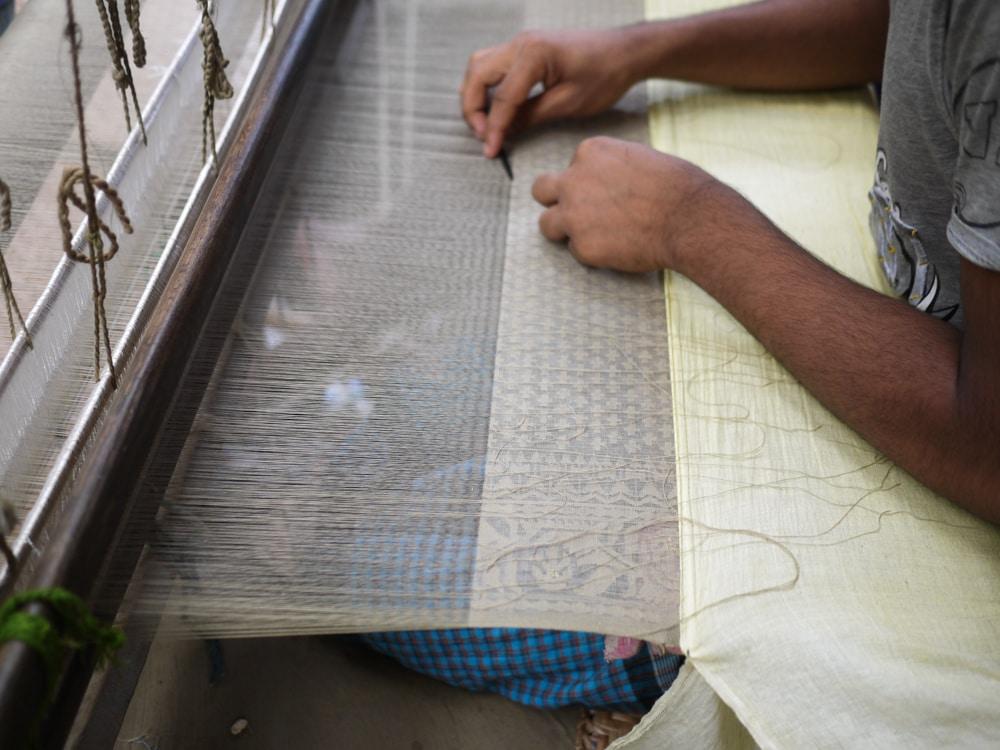
In today’s world of mass-produced goods and fast fashion, the value of craftsmanship often gets overlooked. Yet, there’s a growing appreciation for products that tell a story — products crafted by hand with skill, care, and tradition. Among these treasures are handmade textiles, a true embodiment of cultural heritage, artistic expression, and sustainable living.
What Are Handmade Textiles?
Handmade textiles are fabrics and woven materials crafted entirely or predominantly by hand. Unlike machine-made fabrics, these textiles often involve traditional techniques such as:
· Weaving on manual looms
· Hand embroidery
· Hand dyeing with natural dyes
· Block printing
· Knitting or crocheting by hand
Each piece is unique, often reflecting the artisan’s cultural background, artistic vision, and meticulous craftsmanship. Handmade textiles carry variations in pattern, color, and weave — details that make every item truly one of a kind.
The Cultural Significance of Handmade Textiles
Across the globe, handmade textiles have served as cultural symbols, passed down through generations. In India, handloom saris represent centuries of weaving tradition. In Peru, vibrant Andean textiles narrate stories of nature and community life. In Africa, the intricate patterns of Kente cloth are woven with meanings tied to history and identity.
These textiles are not only functional but are also rich with symbolism, often used in ceremonies, traditional attire, and artistic displays. By owning or gifting handmade textiles, you’re carrying a piece of cultural heritage into your modern life.
Why Choose Handmade Textiles?
1. Unique Craftsmanship
Handmade textiles reflect the artistry and personal touch of the maker. Every knot, stitch, or weave carries the artisan's signature craftsmanship, resulting in pieces that stand apart from mass-produced items.
2. Sustainable and Eco-Friendly
Handmade production often uses natural fibers like cotton, wool, silk, or hemp, and traditional methods that minimize environmental impact. Natural dyeing techniques, small-batch production, and the absence of industrial machinery make these textiles a conscious choice for eco-minded consumers.
3. Supporting Artisan Communities
When you purchase handmade textiles, you’re directly contributing to the livelihoods of skilled artisans, many of whom work in communities where traditional crafts are a vital source of income. Ethical trade practices help preserve cultural traditions while empowering makers.
4. Timeless Style and Versatility
Whether used in home décor or fashion, handmade textiles bring a unique charm and versatility. Their timeless designs make them suitable for both classic and contemporary aesthetics.
Popular Types of Handmade Textiles
1. Handmade Rugs and Throws
Perfect for adding warmth and texture to living spaces, handmade rugs and throws feature intricate designs and superior durability. These pieces often serve as focal points in interior décor.
2. Handmade Clothing and Accessories
From hand-embroidered jackets and dresses to knitted scarves and handcrafted bags, handmade fashion items offer individuality and a touch of artistry to your wardrobe.
3. Home Décor Textiles
Hand-stitched cushion covers, handwoven curtains, and artisan-made table runners enhance any home’s ambiance with authenticity and charm.
4. Handcrafted Personal Items
Handmade journals, fabric pouches, and decorative wall hangings make meaningful gifts or personal treasures that reflect thoughtful design and craftsmanship.
Styling Handmade Textiles in Modern Living
· Mix and Match: Combine handmade pieces with modern furniture or contemporary outfits for a balanced, eclectic look.
· Layer Textures: Layer handwoven rugs, knitted throws, or embroidered cushions for a cozy and rich interior style.
· Statement Pieces: Let a bold, handcrafted item be the centerpiece, like a vibrant tapestry or a patterned shawl.
· Everyday Use: Incorporate handmade textiles into daily life — carry a handwoven tote, wear a hand-knit scarf, or decorate your table with artisan-made runners.
How to Care for Handmade Textiles
To preserve their beauty and quality:
· Handle gently and avoid harsh cleaning products.
· Spot clean or hand wash when necessary, following artisan or care tag instructions.
· Keep away from direct sunlight to prevent fading.
· Store properly in breathable bags to avoid moisture buildup.
Where to Buy Authentic Handmade Textiles
You can find authentic handmade textiles from:
· Fair-trade shops and markets
· Artisan cooperatives and cultural boutiques
· Online platforms like Etsy or dedicated craft websites
· Local craft fairs and exhibitions
When possible, buy directly from artisans or verified ethical brands that support fair wages and sustainable practices.
Final Thoughts
Handmade textiles are more than just decorative or functional items; they are expressions of culture, craftsmanship, and conscious living. By choosing handmade over mass-produced, you embrace a tradition that values artistry, supports artisans, and promotes sustainable practices.

 English
 Arabic
 French
 Spanish
 Portuguese
 Deutsch
 Turkish
 Dutch
Dutch
 Italiano
 Russian
 Portuguese (Brazil)
 Greek
Greek