

TMS Therapy vs. Traditional Depression Treatments: A New Path to Relief
For those battling depression, the journey to relief can feel like an uphill climb. But what if there was a treatment that offered hope when traditional methods fall short? How does Transcranial Magnetic Stimulation (TMS) compare to conventional approaches like medication and Electroconvulsive Therapy (ECT)? Let’s explore.
NuBalance Behavioral Health, an integrative psychiatric clinic, offers the top TMS therapy Malvern, PA, has available as part of its comprehensive mental health services. This innovative treatment is gaining traction for its ability to address treatment-resistant depression effectively.
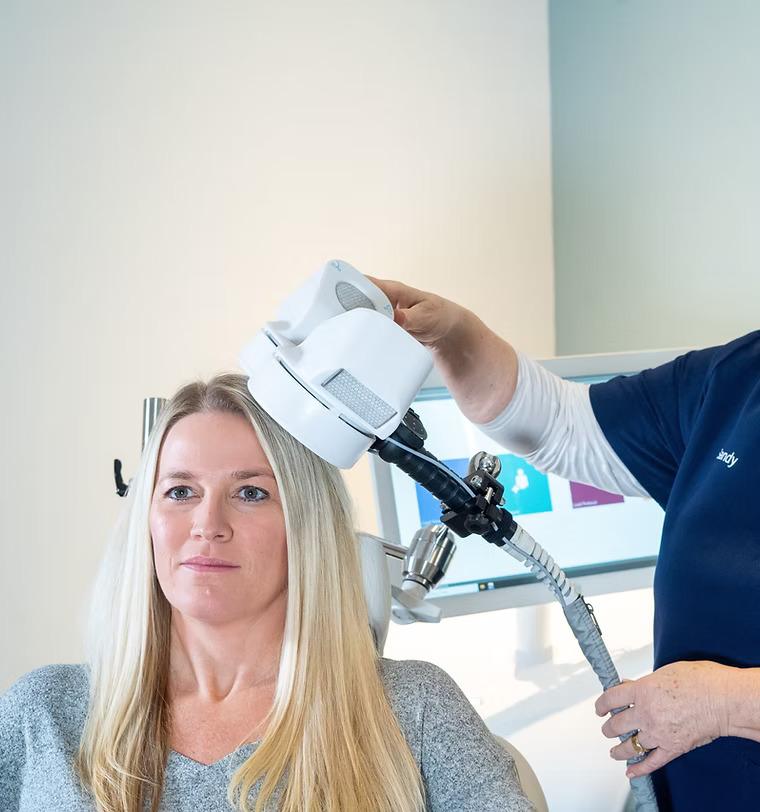
TMS therapy is a non-invasive procedure that uses magnetic pulses to stimulate specific areas of the brain associated with mood regulation. Unlike antidepressants, which affect the entire body, TMS targets the dorsolateral prefrontal cortex, a region linked to depressive symptoms. This precision minimizes side effects, making it an appealing option for those who struggle with medication-related issues like fatigue or weight gain.
In contrast, traditional treatments like antidepressants and ECT have their own strengths and limitations. Antidepressants are often the first line of defense, but they don’t work for everyone. Some patients experience little to no improvement, while others face side effects that can be as challenging as the depression itself. ECT, on the other hand, is highly effective for severe cases but requires sedation and can lead to memory loss, making it a more intensive option.
TMS therapy stands out for its convenience and safety. Sessions typically last 20-40 minutes and don’t require recovery time, allowing patients to resume their daily activities immediately. Studies show that about 60% of individuals with treatment-resistant depression respond positively to TMS, with many experiencing long-term relief. This is a significant advantage over traditional methods, which often require ongoing adjustments and can lead to inconsistent results.
Another key difference lies in the side effects. While ECT can cause cognitive disruptions and antidepressants may lead to systemic issues, TMS is generally well-tolerated. Patients might experience mild scalp discomfort or headaches, but these are temporary and manageable.
So, who should consider TMS? It’s particularly beneficial for those who haven’t found success with medication or who are looking for a non-invasive alternative to ECT. However, it’s essential to consult with a mental health professional to determine the best course of action based on individual needs and medical history.
If you’re seeking a fresh approach to managing depression, TMS therapy could be the solution you’ve been waiting for. Visit NuBalance Behavioral Health at https://www.nubalancetms.com/ to learn more about their services, including TMS, psychiatry, and medication management. Take the first step toward a brighter, healthier future today.

 English
 Arabic
 French
 Spanish
 Deutsch
 Turkish
 Dutch
Dutch
 Italiano
 Russian
 Romaian
 Portuguese (Brazil)
 Greek
Greek