


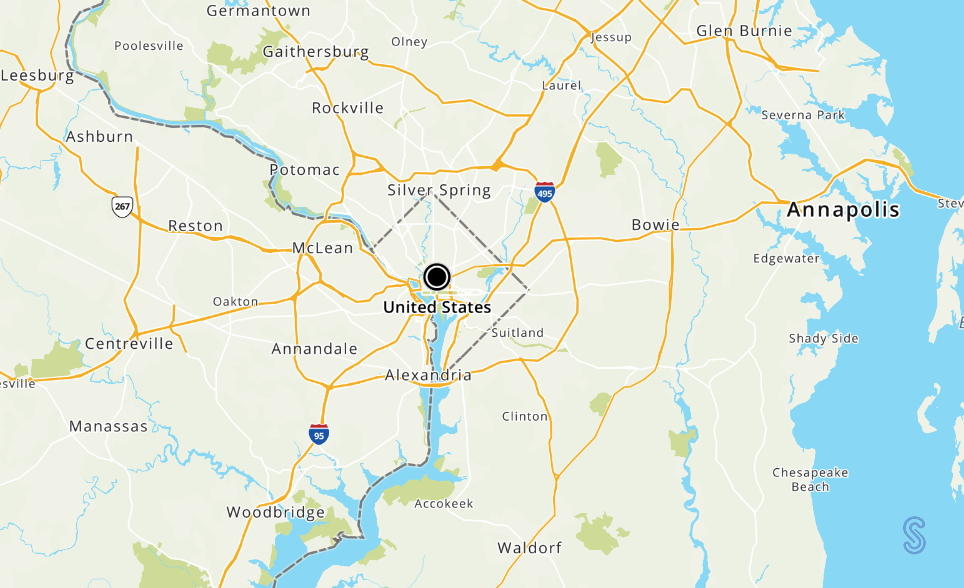
mapquest is one of those digital tools that quietly shaped how millions of people first experienced the internet. long before gps devices were affordable and smartphones made navigation second nature, mapquest was the go-to site for planning a road trip, finding the quickest route, or simply discovering how far one city was from another. for many, it was the first taste of digital maps, and it gave a sense of empowerment to travelers who no longer had to rely solely on folded paper maps or asking strangers for directions.
what made mapquest so special was its simplicity. you typed in your starting point, your destination, and instantly received step-by-step driving directions. people would often print these out before leaving home, tucking the sheets into the glove compartment like a travel bible. it became a ritual in itself, a sign that a journey was about to begin.
beyond its functionality, mapquest carried a kind of cultural weight. it marked the transition between the analog and digital ages of navigation. it reminded us that technology, at its best, solves everyday problems while also sparking curiosity about the wider world. looking back, mapquest wasn’t just about getting from point a to point b—it was about opening doors to exploration, giving people the confidence to travel further, and capturing the spirit of adventure in a format that was both practical and inspiring.
even today, though overshadowed by modern apps, mapquest still holds a nostalgic value. it represents a pioneering era when the internet was new, and the possibilities of digital assistance felt limitless. it’s more than a mapping service; it’s a piece of internet history that reminds us of how far we’ve come in connecting people, places, and journeys.
what made mapquest so special was its simplicity. you typed in your starting point, your destination, and instantly received step-by-step driving directions. people would often print these out before leaving home, tucking the sheets into the glove compartment like a travel bible. it became a ritual in itself, a sign that a journey was about to begin.
beyond its functionality, mapquest carried a kind of cultural weight. it marked the transition between the analog and digital ages of navigation. it reminded us that technology, at its best, solves everyday problems while also sparking curiosity about the wider world. looking back, mapquest wasn’t just about getting from point a to point b—it was about opening doors to exploration, giving people the confidence to travel further, and capturing the spirit of adventure in a format that was both practical and inspiring.
even today, though overshadowed by modern apps, mapquest still holds a nostalgic value. it represents a pioneering era when the internet was new, and the possibilities of digital assistance felt limitless. it’s more than a mapping service; it’s a piece of internet history that reminds us of how far we’ve come in connecting people, places, and journeys.
mapquest is one of those digital tools that quietly shaped how millions of people first experienced the internet. long before gps devices were affordable and smartphones made navigation second nature, mapquest was the go-to site for planning a road trip, finding the quickest route, or simply discovering how far one city was from another. for many, it was the first taste of digital maps, and it gave a sense of empowerment to travelers who no longer had to rely solely on folded paper maps or asking strangers for directions.
what made mapquest so special was its simplicity. you typed in your starting point, your destination, and instantly received step-by-step driving directions. people would often print these out before leaving home, tucking the sheets into the glove compartment like a travel bible. it became a ritual in itself, a sign that a journey was about to begin.
beyond its functionality, mapquest carried a kind of cultural weight. it marked the transition between the analog and digital ages of navigation. it reminded us that technology, at its best, solves everyday problems while also sparking curiosity about the wider world. looking back, mapquest wasn’t just about getting from point a to point b—it was about opening doors to exploration, giving people the confidence to travel further, and capturing the spirit of adventure in a format that was both practical and inspiring.
even today, though overshadowed by modern apps, mapquest still holds a nostalgic value. it represents a pioneering era when the internet was new, and the possibilities of digital assistance felt limitless. it’s more than a mapping service; it’s a piece of internet history that reminds us of how far we’ve come in connecting people, places, and journeys.
0 Comentários
0 Compartilhamentos
119 Visualizações
0 Anterior

 English
 Arabic
 French
 Spanish
 Deutsch
 Turkish
 Dutch
Dutch
 Italiano
 Russian
 Romaian
 Portuguese (Brazil)
 Greek
Greek