


EV Battery Thermal Protection Is Becoming a Key Part of Future Safety Compliance
As electric vehicle regulations continue to evolve, battery safety is moving from a design preference to a compliance requirement. OEMs and battery manufacturers are under increasing pressure to demonstrate how their battery systems can reduce the impact of thermal incidents and improve passenger safety.
One area receiving greater attention is thermal propagation control. When a battery cell experiences failure, the biggest concern is often not the first cell itself but how quickly heat spreads to surrounding cells. Without proper containment, a localized event can escalate across an entire battery module.
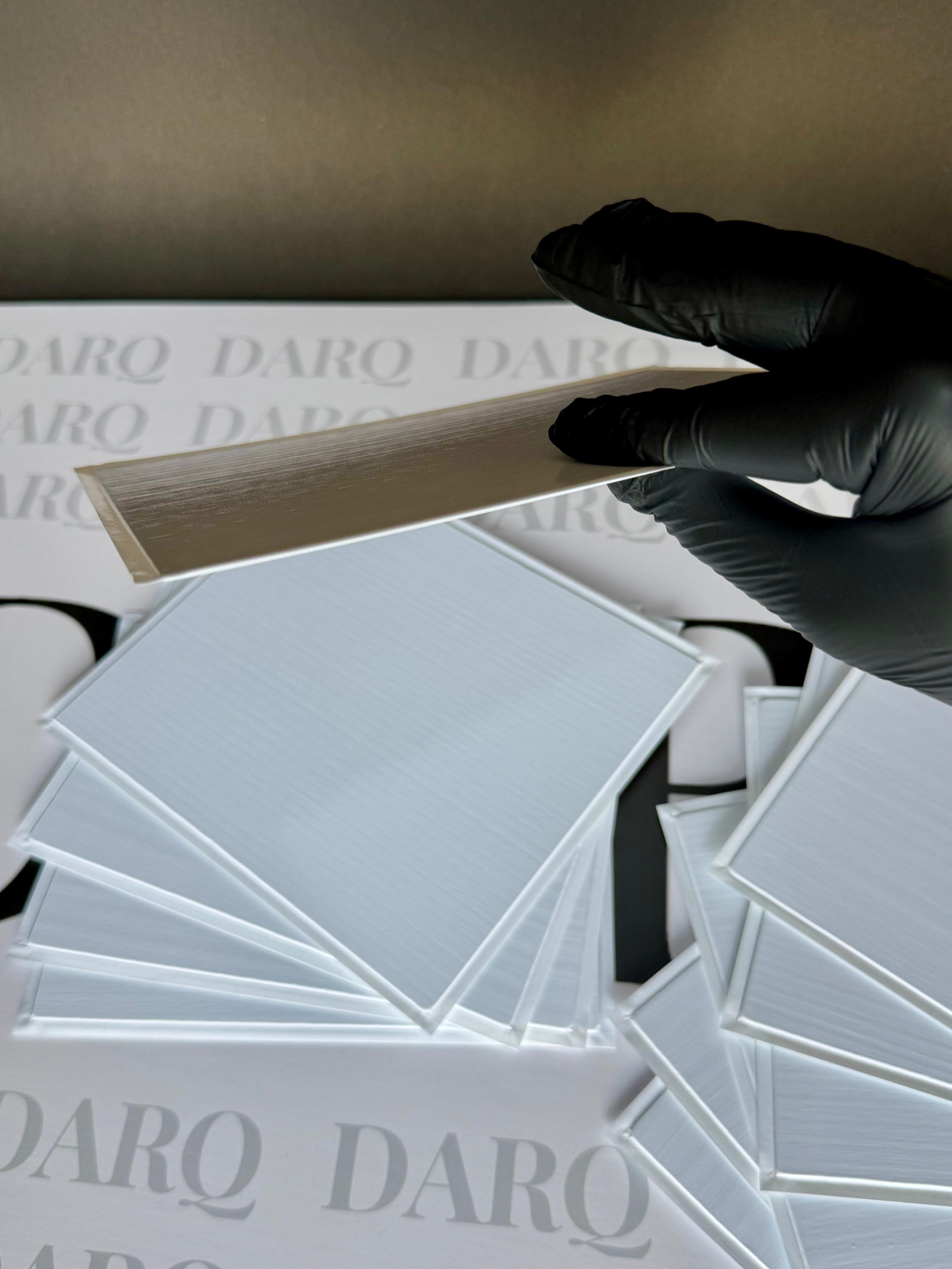
This challenge has encouraged engineers to integrate an EV battery fire protection pad into battery safety architecture at earlier stages of development. The goal is to create additional time for cooling systems, monitoring technologies, and safety protocols to react before heat reaches neighboring cells.
At the same time, manufacturers cannot afford to sacrifice battery performance. Heavy or bulky insulation materials can reduce design flexibility and increase pack weight. This has created demand for lightweight, ultra-thin solutions that fit inside compact battery structures while still providing high-temperature resistance.
Many engineering teams are also evaluating advanced EV lithium battery fire barrier sheet technologies that can be incorporated directly into module layouts. These materials help support modern battery designs where space efficiency and safety must coexist.
Darq Industries works with manufacturers seeking thermal protection materials that can tolerate temperatures approaching 1000°C while remaining practical for integration. Their approach focuses on lightweight construction, installation efficiency, and compatibility with modern EV battery architectures.
As future regulations place greater emphasis on battery safety validation, thermal protection materials will become a more important part of compliance strategies. Engineers planning next-generation battery platforms are increasingly viewing thermal containment as a fundamental design requirement rather than a secondary safety feature.
Visit our website for more information - https://www.darqindia.com/product-page/ev-battery-thermal-runaway-protection-pad-1000c
As electric vehicle regulations continue to evolve, battery safety is moving from a design preference to a compliance requirement. OEMs and battery manufacturers are under increasing pressure to demonstrate how their battery systems can reduce the impact of thermal incidents and improve passenger safety.
One area receiving greater attention is thermal propagation control. When a battery cell experiences failure, the biggest concern is often not the first cell itself but how quickly heat spreads to surrounding cells. Without proper containment, a localized event can escalate across an entire battery module.
This challenge has encouraged engineers to integrate an EV battery fire protection pad into battery safety architecture at earlier stages of development. The goal is to create additional time for cooling systems, monitoring technologies, and safety protocols to react before heat reaches neighboring cells.
At the same time, manufacturers cannot afford to sacrifice battery performance. Heavy or bulky insulation materials can reduce design flexibility and increase pack weight. This has created demand for lightweight, ultra-thin solutions that fit inside compact battery structures while still providing high-temperature resistance.
Many engineering teams are also evaluating advanced EV lithium battery fire barrier sheet technologies that can be incorporated directly into module layouts. These materials help support modern battery designs where space efficiency and safety must coexist.
Darq Industries works with manufacturers seeking thermal protection materials that can tolerate temperatures approaching 1000°C while remaining practical for integration. Their approach focuses on lightweight construction, installation efficiency, and compatibility with modern EV battery architectures.
As future regulations place greater emphasis on battery safety validation, thermal protection materials will become a more important part of compliance strategies. Engineers planning next-generation battery platforms are increasingly viewing thermal containment as a fundamental design requirement rather than a secondary safety feature.
Visit our website for more information - https://www.darqindia.com/product-page/ev-battery-thermal-runaway-protection-pad-1000c
EV Battery Thermal Protection Is Becoming a Key Part of Future Safety Compliance
As electric vehicle regulations continue to evolve, battery safety is moving from a design preference to a compliance requirement. OEMs and battery manufacturers are under increasing pressure to demonstrate how their battery systems can reduce the impact of thermal incidents and improve passenger safety.
One area receiving greater attention is thermal propagation control. When a battery cell experiences failure, the biggest concern is often not the first cell itself but how quickly heat spreads to surrounding cells. Without proper containment, a localized event can escalate across an entire battery module.
This challenge has encouraged engineers to integrate an EV battery fire protection pad into battery safety architecture at earlier stages of development. The goal is to create additional time for cooling systems, monitoring technologies, and safety protocols to react before heat reaches neighboring cells.
At the same time, manufacturers cannot afford to sacrifice battery performance. Heavy or bulky insulation materials can reduce design flexibility and increase pack weight. This has created demand for lightweight, ultra-thin solutions that fit inside compact battery structures while still providing high-temperature resistance.
Many engineering teams are also evaluating advanced EV lithium battery fire barrier sheet technologies that can be incorporated directly into module layouts. These materials help support modern battery designs where space efficiency and safety must coexist.
Darq Industries works with manufacturers seeking thermal protection materials that can tolerate temperatures approaching 1000°C while remaining practical for integration. Their approach focuses on lightweight construction, installation efficiency, and compatibility with modern EV battery architectures.
As future regulations place greater emphasis on battery safety validation, thermal protection materials will become a more important part of compliance strategies. Engineers planning next-generation battery platforms are increasingly viewing thermal containment as a fundamental design requirement rather than a secondary safety feature.
Visit our website for more information - https://www.darqindia.com/product-page/ev-battery-thermal-runaway-protection-pad-1000c
0 Reacties
0 aandelen
3K Views
0 voorbeeld

 English
 Arabic
 French
 Spanish
 Portuguese
 Deutsch
 Turkish
 Italiano
 Russian
 Romaian
 Portuguese (Brazil)
 Greek
Greek