


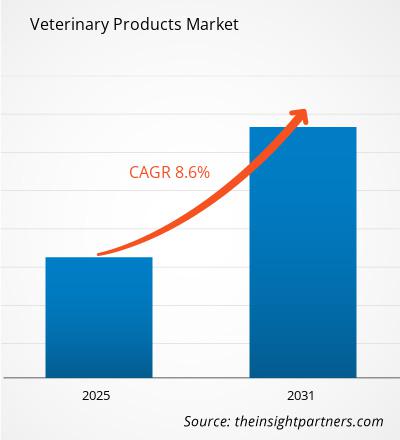
The Global Veterinary Products Market is witnessing significant growth, shaped by complex market dynamics that influence product demand, technological innovation, and regional expansion. Market dynamics encompass the combination of drivers, restraints, opportunities, and challenges that define the competitive landscape and guide strategic decision-making for industry stakeholders.
Read More - https://www.theinsightpartners.com/reports/veterinary-products-market
Key Market Dynamics
1. Drivers
Rising Pet Adoption and Humanization: The growing trend of treating pets as family members is driving demand for high-quality pharmaceuticals, vaccines, diagnostics, and wellness products. Owners increasingly invest in preventive care, enhancing the demand for advanced veterinary solutions.
Expansion of Livestock Production: Increasing global demand for meat, dairy, and poultry products fuels adoption of veterinary products such as vaccines, performance enhancers, feed additives, and therapeutics to maintain livestock health and productivity.
Technological Advancements: Innovations in AI-powered diagnostics, telemedicine, molecular testing, and digital health platforms are enabling faster disease detection, personalized treatment, and improved animal health management.
Regulatory Support: Stringent government regulations on animal health and food safety promote higher adoption of standardized veterinary products, ensuring quality and compliance.
2. Opportunities
Emerging Markets: Rapid urbanization and rising disposable incomes in regions such as Asia Pacific, Latin America, and the Middle East provide new growth opportunities for veterinary product manufacturers.
Preventive and Alternative Healthcare: Increasing emphasis on preventive care, natural remedies, and organic supplements is driving innovation and creating niche market opportunities.
Strategic Partnerships and Collaborations: Companies investing in joint ventures, research collaborations, and technology partnerships can expand product offerings, enhance distribution, and access new markets.
3. Challenges
High Cost of Veterinary Products: Price sensitivity, particularly in developing regions, can limit product adoption among small-scale livestock farmers and pet owners.
Regulatory Complexity: Diverse regulations across regions require strict compliance, increasing operational costs and complexity for global manufacturers.
Limited Awareness in Emerging Regions: Lack of awareness about preventive healthcare and advanced veterinary solutions in some regions may slow market penetration.
4. Market Restraints
Side Effects and Safety Concerns: Concerns over adverse reactions from pharmaceuticals and vaccines may affect consumer confidence, limiting growth in certain product segments.
Supply Chain Constraints: Disruptions in raw material supply or logistics can impact production and timely distribution of veterinary products.
Read More - https://www.theinsightpartners.com/reports/veterinary-products-market
Key Market Dynamics
1. Drivers
Rising Pet Adoption and Humanization: The growing trend of treating pets as family members is driving demand for high-quality pharmaceuticals, vaccines, diagnostics, and wellness products. Owners increasingly invest in preventive care, enhancing the demand for advanced veterinary solutions.
Expansion of Livestock Production: Increasing global demand for meat, dairy, and poultry products fuels adoption of veterinary products such as vaccines, performance enhancers, feed additives, and therapeutics to maintain livestock health and productivity.
Technological Advancements: Innovations in AI-powered diagnostics, telemedicine, molecular testing, and digital health platforms are enabling faster disease detection, personalized treatment, and improved animal health management.
Regulatory Support: Stringent government regulations on animal health and food safety promote higher adoption of standardized veterinary products, ensuring quality and compliance.
2. Opportunities
Emerging Markets: Rapid urbanization and rising disposable incomes in regions such as Asia Pacific, Latin America, and the Middle East provide new growth opportunities for veterinary product manufacturers.
Preventive and Alternative Healthcare: Increasing emphasis on preventive care, natural remedies, and organic supplements is driving innovation and creating niche market opportunities.
Strategic Partnerships and Collaborations: Companies investing in joint ventures, research collaborations, and technology partnerships can expand product offerings, enhance distribution, and access new markets.
3. Challenges
High Cost of Veterinary Products: Price sensitivity, particularly in developing regions, can limit product adoption among small-scale livestock farmers and pet owners.
Regulatory Complexity: Diverse regulations across regions require strict compliance, increasing operational costs and complexity for global manufacturers.
Limited Awareness in Emerging Regions: Lack of awareness about preventive healthcare and advanced veterinary solutions in some regions may slow market penetration.
4. Market Restraints
Side Effects and Safety Concerns: Concerns over adverse reactions from pharmaceuticals and vaccines may affect consumer confidence, limiting growth in certain product segments.
Supply Chain Constraints: Disruptions in raw material supply or logistics can impact production and timely distribution of veterinary products.
The Global Veterinary Products Market is witnessing significant growth, shaped by complex market dynamics that influence product demand, technological innovation, and regional expansion. Market dynamics encompass the combination of drivers, restraints, opportunities, and challenges that define the competitive landscape and guide strategic decision-making for industry stakeholders.
Read More - https://www.theinsightpartners.com/reports/veterinary-products-market
Key Market Dynamics
1. Drivers
Rising Pet Adoption and Humanization: The growing trend of treating pets as family members is driving demand for high-quality pharmaceuticals, vaccines, diagnostics, and wellness products. Owners increasingly invest in preventive care, enhancing the demand for advanced veterinary solutions.
Expansion of Livestock Production: Increasing global demand for meat, dairy, and poultry products fuels adoption of veterinary products such as vaccines, performance enhancers, feed additives, and therapeutics to maintain livestock health and productivity.
Technological Advancements: Innovations in AI-powered diagnostics, telemedicine, molecular testing, and digital health platforms are enabling faster disease detection, personalized treatment, and improved animal health management.
Regulatory Support: Stringent government regulations on animal health and food safety promote higher adoption of standardized veterinary products, ensuring quality and compliance.
2. Opportunities
Emerging Markets: Rapid urbanization and rising disposable incomes in regions such as Asia Pacific, Latin America, and the Middle East provide new growth opportunities for veterinary product manufacturers.
Preventive and Alternative Healthcare: Increasing emphasis on preventive care, natural remedies, and organic supplements is driving innovation and creating niche market opportunities.
Strategic Partnerships and Collaborations: Companies investing in joint ventures, research collaborations, and technology partnerships can expand product offerings, enhance distribution, and access new markets.
3. Challenges
High Cost of Veterinary Products: Price sensitivity, particularly in developing regions, can limit product adoption among small-scale livestock farmers and pet owners.
Regulatory Complexity: Diverse regulations across regions require strict compliance, increasing operational costs and complexity for global manufacturers.
Limited Awareness in Emerging Regions: Lack of awareness about preventive healthcare and advanced veterinary solutions in some regions may slow market penetration.
4. Market Restraints
Side Effects and Safety Concerns: Concerns over adverse reactions from pharmaceuticals and vaccines may affect consumer confidence, limiting growth in certain product segments.
Supply Chain Constraints: Disruptions in raw material supply or logistics can impact production and timely distribution of veterinary products.
0 Commenti
0 condivisioni
2K Views
0 Anteprima

 English
 Arabic
 French
 Spanish
 Portuguese
 Deutsch
 Turkish
 Dutch
Dutch
 Russian
 Romaian
 Portuguese (Brazil)
 Greek
Greek