



-
3 Berichten
-
1 foto's
-
0 Video’s
-
Female
-
Gevolgd door 1 people
Zoeken


 English
 Arabic
 French
 Spanish
 Portuguese
 Deutsch
 Turkish
 Italiano
 Russian
 Romaian
 Portuguese (Brazil)
 Greek
Greek
Actueel
-
The Quiet Shift in AI Hardware Conversations
The discussion around high-performance computing has been steadily shifting, and the mention of the h200 gpu often signals that change. It reflects a broader movement where hardware is no longer just a background component but a defining factor in how artificial intelligence systems are built, trained, and deployed. As models grow larger and datasets expand, the emphasis on computational efficiency has become impossible to ignore.
For years, software innovation carried much of the spotlight. Developers focused on optimizing algorithms, refining architectures, and pushing the limits of what code could achieve. That focus still matters, but it now exists alongside a growing awareness that hardware constraints can shape outcomes just as much as software decisions. Processing power, memory bandwidth, and energy consumption are now part of everyday conversations among engineers and researchers.
What makes this shift notable is how it changes priorities. Instead of asking only what a model can do, teams are increasingly asking what it should do within practical limits. Training times, operational costs, and environmental impact are influencing decisions earlier in the development process. Hardware like advanced GPUs plays a role here, not just by enabling faster computations but by redefining what is considered feasible.
Another interesting aspect is accessibility. As more powerful hardware enters the market, there’s a parallel conversation about who gets to use it. Large organizations may adopt cutting-edge systems quickly, but smaller teams often need to find creative ways to work within tighter constraints. This gap encourages innovation in efficiency, leading to techniques that reduce dependency on brute computational force.
There’s also a cultural element to consider. The growing attention on hardware has brought different disciplines closer together. Engineers who specialize in systems architecture are now collaborating more directly with machine learning researchers. This intersection fosters a deeper understanding of trade-offs, encouraging solutions that are both technically sound and practically sustainable.
Looking ahead, the role of hardware will likely continue to evolve in subtle but meaningful ways. Rather than dominating headlines, it will quietly shape the boundaries of innovation. The tools available to developers will influence not just how fast systems run, but how responsibly they are designed. In that sense, the conversation around the h200 gpu is less about a single piece of technology and more about a broader shift in how progress is measured.
https://www.cloudpe.com/gpu/h200/The Quiet Shift in AI Hardware Conversations The discussion around high-performance computing has been steadily shifting, and the mention of the h200 gpu often signals that change. It reflects a broader movement where hardware is no longer just a background component but a defining factor in how artificial intelligence systems are built, trained, and deployed. As models grow larger and datasets expand, the emphasis on computational efficiency has become impossible to ignore. For years, software innovation carried much of the spotlight. Developers focused on optimizing algorithms, refining architectures, and pushing the limits of what code could achieve. That focus still matters, but it now exists alongside a growing awareness that hardware constraints can shape outcomes just as much as software decisions. Processing power, memory bandwidth, and energy consumption are now part of everyday conversations among engineers and researchers. What makes this shift notable is how it changes priorities. Instead of asking only what a model can do, teams are increasingly asking what it should do within practical limits. Training times, operational costs, and environmental impact are influencing decisions earlier in the development process. Hardware like advanced GPUs plays a role here, not just by enabling faster computations but by redefining what is considered feasible. Another interesting aspect is accessibility. As more powerful hardware enters the market, there’s a parallel conversation about who gets to use it. Large organizations may adopt cutting-edge systems quickly, but smaller teams often need to find creative ways to work within tighter constraints. This gap encourages innovation in efficiency, leading to techniques that reduce dependency on brute computational force. There’s also a cultural element to consider. The growing attention on hardware has brought different disciplines closer together. Engineers who specialize in systems architecture are now collaborating more directly with machine learning researchers. This intersection fosters a deeper understanding of trade-offs, encouraging solutions that are both technically sound and practically sustainable. Looking ahead, the role of hardware will likely continue to evolve in subtle but meaningful ways. Rather than dominating headlines, it will quietly shape the boundaries of innovation. The tools available to developers will influence not just how fast systems run, but how responsibly they are designed. In that sense, the conversation around the h200 gpu is less about a single piece of technology and more about a broader shift in how progress is measured. https://www.cloudpe.com/gpu/h200/0 Reacties 0 aandelen 958 Views 0 voorbeeld -
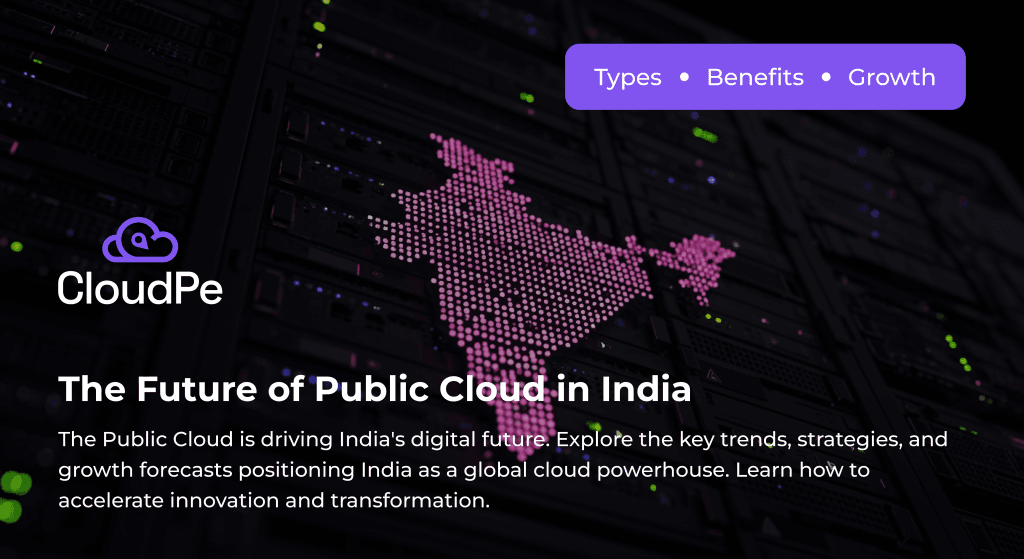
Choosing Between Private Cloud and Public Cloud for Your Business
When businesses consider cloud computing options, understanding the differences between private cloud vs public cloud is crucial. Both models provide scalable infrastructure and access to computing resources, but they differ in control, security, and cost. A private cloud is dedicated to a single organization, offering greater control over data, applications, and compliance requirements. It’s often preferred by enterprises with strict regulatory obligations or sensitive information that cannot be stored in shared environments.
Private clouds allow organizations to customize their infrastructure to meet specific performance and security needs. They can integrate legacy systems, enforce stricter access controls, and manage workloads internally. However, this level of control comes with higher costs for hardware, maintenance, and specialized IT staff. For organizations with fluctuating workloads, these costs can be significant, especially when the infrastructure is underutilized during low-demand periods.
Public clouds, on the other hand, are maintained by third-party providers and shared across multiple organizations. This setup offers lower upfront costs, faster deployment, and almost limitless scalability. Companies can access storage, processing power, and services on demand, paying only for what they use. Public clouds also benefit from frequent updates and broad geographic coverage, which can improve redundancy and disaster recovery capabilities without significant internal investment.
When evaluating private cloud vs public cloud, businesses should also consider compliance and data sensitivity. Certain industries, such as finance and healthcare, may require private clouds to meet regulatory standards. Other sectors, like startups or companies with variable workloads, may find public clouds more practical due to cost-effectiveness and flexibility.
Hybrid approaches are increasingly common, allowing organizations to keep critical workloads on private infrastructure while offloading less sensitive or highly variable tasks to the public cloud. This strategy balances control and scalability but requires careful management to ensure data integrity and smooth integration between environments.
Ultimately, choosing the right cloud model depends on organizational priorities, regulatory requirements, and long-term IT strategy. While private clouds offer control and customization, the broad accessibility and efficiency of the public cloud make it a compelling option for many businesses seeking scalable infrastructure with minimal upfront investment.
https://www.cloudpe.com/public-cloud-explained/
Choosing Between Private Cloud and Public Cloud for Your Business When businesses consider cloud computing options, understanding the differences between private cloud vs public cloud is crucial. Both models provide scalable infrastructure and access to computing resources, but they differ in control, security, and cost. A private cloud is dedicated to a single organization, offering greater control over data, applications, and compliance requirements. It’s often preferred by enterprises with strict regulatory obligations or sensitive information that cannot be stored in shared environments. Private clouds allow organizations to customize their infrastructure to meet specific performance and security needs. They can integrate legacy systems, enforce stricter access controls, and manage workloads internally. However, this level of control comes with higher costs for hardware, maintenance, and specialized IT staff. For organizations with fluctuating workloads, these costs can be significant, especially when the infrastructure is underutilized during low-demand periods. Public clouds, on the other hand, are maintained by third-party providers and shared across multiple organizations. This setup offers lower upfront costs, faster deployment, and almost limitless scalability. Companies can access storage, processing power, and services on demand, paying only for what they use. Public clouds also benefit from frequent updates and broad geographic coverage, which can improve redundancy and disaster recovery capabilities without significant internal investment. When evaluating private cloud vs public cloud, businesses should also consider compliance and data sensitivity. Certain industries, such as finance and healthcare, may require private clouds to meet regulatory standards. Other sectors, like startups or companies with variable workloads, may find public clouds more practical due to cost-effectiveness and flexibility. Hybrid approaches are increasingly common, allowing organizations to keep critical workloads on private infrastructure while offloading less sensitive or highly variable tasks to the public cloud. This strategy balances control and scalability but requires careful management to ensure data integrity and smooth integration between environments. Ultimately, choosing the right cloud model depends on organizational priorities, regulatory requirements, and long-term IT strategy. While private clouds offer control and customization, the broad accessibility and efficiency of the public cloud make it a compelling option for many businesses seeking scalable infrastructure with minimal upfront investment. https://www.cloudpe.com/public-cloud-explained/0 Reacties 0 aandelen 1K Views 0 voorbeeld

Meer blogs