



-
2 Δημοσιεύσεις
-
0 τις φωτογραφίες μου
-
0 Videos
-
Female
-
ακολουθείται από 1 μέλη
Αναζήτηση


 English
 Arabic
 French
 Spanish
 Portuguese
 Deutsch
 Turkish
 Dutch
Dutch
 Italiano
 Russian
 Romaian
 Portuguese (Brazil)
Πρόσφατες ενημερώσεις
-
The global chemical industry is witnessing a period of steady maturation as specialized materials like Zinc Oxide (ZnO) become indispensable to modern manufacturing and sustainable consumer goods. ZnO is a versatile inorganic compound prized for its high refractive index, thermal conductivity, and anti-bacterial properties.
As global demand for automotive components, personal care products, and high-performance electronics continues to scale, the financial outlook for this market remains robust. The global zinc oxide market size is projected to reach US$ 8.30 billion by 2034 from US$ 5.44 billion in 2025. This trajectory represents a consistent CAGR of 4.8% during the forecast period of 2026–2034, driven by a surge in industrialization and the transition toward more advanced chemical formulations.
Download Exclusive Sample PDF of the Zinc Oxide Market Study: https://www.theinsightpartners.com/sample/TIPRE00028976
Market Report Scope: A Multi-Dimensional Analysis
The scope of the zinc oxide market analysis encompasses a diverse range of production processes, product grades, and end-use applications. To understand the projected $8.30 billion valuation, it is essential to segment the market into its core structural pillars.
1. Production Process Scope
The methodology used to extract and synthesize zinc oxide dictates its final purity and application suitability. The report scope covers:
French Process (Indirect): The most prevalent method, involving the vaporization of metallic zinc. It yields high-purity ZnO, making it the preferred choice for pharmaceutical and high-grade rubber applications.
American Process (Direct): Utilizing zinc ores or residues, this process is cost-effective for industrial-grade applications, such as ceramics and general rubber goods.
Wet Chemical & Nano-Synthesis: A high-growth sub-segment focused on producing nano-scale particles for advanced electronics and "clear" mineral sunscreens.
2. Product Grade Scope
The market is bifurcated by quality standards, each serving distinct regulatory environments:
Industrial Grade: Focused on volume-heavy sectors like tire manufacturing, ceramics, and paints.
Pharmaceutical/Cosmetic Grade: A high-value segment governed by USP, BP, and EP standards. This grade is seeing accelerated demand due to the "Clean Beauty" movement and the global shift toward physical UV filters.
Primary Market Trends & Drivers
The 4.8% CAGR is underpinned by several structural industrial shifts that are redefining the demand for zinc oxide derivatives.
The Automotive and Tire Evolution
The tire industry remains the largest consumer of zinc oxide. ZnO acts as a crucial activator in the vulcanization process, ensuring tires are heat-resistant and durable. As the world transitions toward Electric Vehicles (EVs), tires must be redesigned to handle increased vehicle weight and higher torque. This requires higher loadings of high-performance zinc oxide to achieve lower rolling resistance and improved thermal management.
The Personal Care Revolution
Zinc oxide is the gold standard for physical (mineral) sunscreens. Unlike chemical UV filters that absorb into the skin, zinc oxide reflects broad-spectrum UV rays. With rising awareness of skin cancer and the environmental impact of chemical filters on coral reefs, regulatory bodies are favoring mineral-based alternatives, providing a significant boost to pharmaceutical-grade ZnO demand.
Market Roadmap: 2025–2034
Purity & Regulatory Alignment
2025–2027
Implementation of stricter REACH and FDA guidelines triggers a surge in demand for high-purity, pharmaceutical-grade zinc oxide in North America and Europe.
EV Integration & Infrastructure Scaling
2028–2031
Rapid scaling of EV production and global smart-grid projects creates a spike in demand for specialized rubber activators and electronic-grade ZnO for circuit protection.
The $8.30 Billion Milestone
2032–2034
Nano-grade zinc oxide reaches commercial maturity in high-tech sensors and advanced medical coatings, dominating the market's high-value growth segments.
Competitive Landscape: Top Industry Players
The market is characterized by a mix of specialized chemical producers and diversified industrial giants. Competitive advantage is increasingly defined by the ability to produce high-purity, nano-grade zinc oxide for high-tech applications.
U.S. Zinc
EverZinc
Zochem, Inc.
Silox SA
Akrochem Corporation
Brüggemann Group
Grillo-Werke AG
HakusuiTech Co., Ltd.
Pan-Continental Chemical Co., Ltd.
RubaminThe global chemical industry is witnessing a period of steady maturation as specialized materials like Zinc Oxide (ZnO) become indispensable to modern manufacturing and sustainable consumer goods. ZnO is a versatile inorganic compound prized for its high refractive index, thermal conductivity, and anti-bacterial properties. As global demand for automotive components, personal care products, and high-performance electronics continues to scale, the financial outlook for this market remains robust. The global zinc oxide market size is projected to reach US$ 8.30 billion by 2034 from US$ 5.44 billion in 2025. This trajectory represents a consistent CAGR of 4.8% during the forecast period of 2026–2034, driven by a surge in industrialization and the transition toward more advanced chemical formulations. Download Exclusive Sample PDF of the Zinc Oxide Market Study: https://www.theinsightpartners.com/sample/TIPRE00028976 Market Report Scope: A Multi-Dimensional Analysis The scope of the zinc oxide market analysis encompasses a diverse range of production processes, product grades, and end-use applications. To understand the projected $8.30 billion valuation, it is essential to segment the market into its core structural pillars. 1. Production Process Scope The methodology used to extract and synthesize zinc oxide dictates its final purity and application suitability. The report scope covers: French Process (Indirect): The most prevalent method, involving the vaporization of metallic zinc. It yields high-purity ZnO, making it the preferred choice for pharmaceutical and high-grade rubber applications. American Process (Direct): Utilizing zinc ores or residues, this process is cost-effective for industrial-grade applications, such as ceramics and general rubber goods. Wet Chemical & Nano-Synthesis: A high-growth sub-segment focused on producing nano-scale particles for advanced electronics and "clear" mineral sunscreens. 2. Product Grade Scope The market is bifurcated by quality standards, each serving distinct regulatory environments: Industrial Grade: Focused on volume-heavy sectors like tire manufacturing, ceramics, and paints. Pharmaceutical/Cosmetic Grade: A high-value segment governed by USP, BP, and EP standards. This grade is seeing accelerated demand due to the "Clean Beauty" movement and the global shift toward physical UV filters. Primary Market Trends & Drivers The 4.8% CAGR is underpinned by several structural industrial shifts that are redefining the demand for zinc oxide derivatives. The Automotive and Tire Evolution The tire industry remains the largest consumer of zinc oxide. ZnO acts as a crucial activator in the vulcanization process, ensuring tires are heat-resistant and durable. As the world transitions toward Electric Vehicles (EVs), tires must be redesigned to handle increased vehicle weight and higher torque. This requires higher loadings of high-performance zinc oxide to achieve lower rolling resistance and improved thermal management. The Personal Care Revolution Zinc oxide is the gold standard for physical (mineral) sunscreens. Unlike chemical UV filters that absorb into the skin, zinc oxide reflects broad-spectrum UV rays. With rising awareness of skin cancer and the environmental impact of chemical filters on coral reefs, regulatory bodies are favoring mineral-based alternatives, providing a significant boost to pharmaceutical-grade ZnO demand. Market Roadmap: 2025–2034 Purity & Regulatory Alignment 2025–2027 Implementation of stricter REACH and FDA guidelines triggers a surge in demand for high-purity, pharmaceutical-grade zinc oxide in North America and Europe. EV Integration & Infrastructure Scaling 2028–2031 Rapid scaling of EV production and global smart-grid projects creates a spike in demand for specialized rubber activators and electronic-grade ZnO for circuit protection. The $8.30 Billion Milestone 2032–2034 Nano-grade zinc oxide reaches commercial maturity in high-tech sensors and advanced medical coatings, dominating the market's high-value growth segments. Competitive Landscape: Top Industry Players The market is characterized by a mix of specialized chemical producers and diversified industrial giants. Competitive advantage is increasingly defined by the ability to produce high-purity, nano-grade zinc oxide for high-tech applications. U.S. Zinc EverZinc Zochem, Inc. Silox SA Akrochem Corporation Brüggemann Group Grillo-Werke AG HakusuiTech Co., Ltd. Pan-Continental Chemical Co., Ltd. Rubamin0 Σχόλια 0 Μοιράστηκε 1χλμ. Views 0 Προεπισκόπηση -
Reinforcement Materials Market: Report Scope and Strategic Analysis (2025–2031)
The reinforcement materials industry is the backbone of modern material science, providing the structural integrity required for the next generation of high-performance composites. From the vast blades of offshore wind turbines to the lightweight fuselages of advanced aircraft, these materials—including glass, carbon, and aramid fibers—are essential for achieving superior strength-to-weight ratios.
According to the latest strategic research by The Insight Partners, the Reinforcement Materials Market size is expected to reach US$ 44.5 billion by 2031. The market is anticipated to register a CAGR of 5.6% during the forecast period of 2025–2031.
Download Sample PDF Brochure: https://www.theinsightpartners.com/sample/TIPRE00003432Reinforcement Materials Market: Report Scope and Strategic Analysis (2025–2031) The reinforcement materials industry is the backbone of modern material science, providing the structural integrity required for the next generation of high-performance composites. From the vast blades of offshore wind turbines to the lightweight fuselages of advanced aircraft, these materials—including glass, carbon, and aramid fibers—are essential for achieving superior strength-to-weight ratios. According to the latest strategic research by The Insight Partners, the Reinforcement Materials Market size is expected to reach US$ 44.5 billion by 2031. The market is anticipated to register a CAGR of 5.6% during the forecast period of 2025–2031. Download Sample PDF Brochure: https://www.theinsightpartners.com/sample/TIPRE000034320 Σχόλια 0 Μοιράστηκε 1χλμ. Views 0 Προεπισκόπηση -
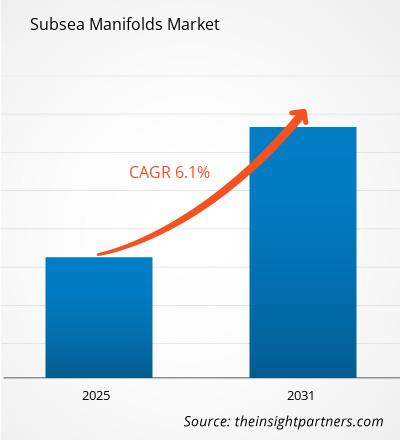
https://www.theinsightpartners.com/reports/subsea-manifolds-market0 Σχόλια 0 Μοιράστηκε 192 Views 0 Προεπισκόπηση
-
Global Subsea Manifolds Market – Segmentation, Strategy & Future Outlook
Market Overview
Subsea manifolds are engineered systems deployed on the seafloor to gather, distribute, and redirect production or injection fluids from multiple wells to a central pipeline or processing facility. They are used in both new field developments and tiebacks to existing infrastructure.
Why this matters now:
Offshore oil and gas investments are rebounding post-pandemic
Operators are reactivating large capital projects deferred during downturns
Technologies like EOR (Enhanced Oil Recovery) and subsea processing demand highly capable manifolds
Energy security policies are prompting development of untapped reserves
The upcoming report will present key data on market size, growth rate (CAGR), and regional trends across the 2024–2030 forecast window.
https://www.theinsightpartners.com/reports/subsea-manifolds-market
Global Subsea Manifolds Market – Segmentation, Strategy & Future Outlook Market Overview Subsea manifolds are engineered systems deployed on the seafloor to gather, distribute, and redirect production or injection fluids from multiple wells to a central pipeline or processing facility. They are used in both new field developments and tiebacks to existing infrastructure. Why this matters now: Offshore oil and gas investments are rebounding post-pandemic Operators are reactivating large capital projects deferred during downturns Technologies like EOR (Enhanced Oil Recovery) and subsea processing demand highly capable manifolds Energy security policies are prompting development of untapped reserves The upcoming report will present key data on market size, growth rate (CAGR), and regional trends across the 2024–2030 forecast window. https://www.theinsightpartners.com/reports/subsea-manifolds-market0 Σχόλια 0 Μοιράστηκε 214 Views 0 Προεπισκόπηση
και άλλες ιστορίες