



DARQ Industries is an advanced insulation technology company specializing in aerogel insulation, microporous insulation, and high-performance thermal materials for industrial, energy, and infrastructure applications.
Recognized as one of India’s leading aerogel insulation solution providers, DARQ delivers thin, lightweight, and high-efficiency thermal insulation systems for high-temperature pipelines, refineries, power plants, EV battery thermal management, and space-constrained environments.
With expertise in aerogel blanket insulation, aluminium foil faced aerogel systems, microporous high-temperature boards, and engineered thermal protection materials, DARQ supports EPC contractors, plant engineers, and industrial projects across India and international markets.
Focused exclusively on advanced insulation and thermal performance optimization, DARQ is driving the next generation of energy-efficient, industrial-grade insulation solutions.
Visit - https://www.darqindia.com/
Recognized as one of India’s leading aerogel insulation solution providers, DARQ delivers thin, lightweight, and high-efficiency thermal insulation systems for high-temperature pipelines, refineries, power plants, EV battery thermal management, and space-constrained environments.
With expertise in aerogel blanket insulation, aluminium foil faced aerogel systems, microporous high-temperature boards, and engineered thermal protection materials, DARQ supports EPC contractors, plant engineers, and industrial projects across India and international markets.
Focused exclusively on advanced insulation and thermal performance optimization, DARQ is driving the next generation of energy-efficient, industrial-grade insulation solutions.
Visit - https://www.darqindia.com/
-
8 Publicações
-
1 fotos
-
0 Vídeos
-
Mora em Gurugram
-
De Gurugram
-
Male
-
Seguido por 0 pessoas
Informações básicas
-
Whatsapp Number
7014259601
Pesquisar


 English
 Arabic
 French
 Spanish
 Portuguese
 Deutsch
 Turkish
 Dutch
Dutch
 Italiano
 Russian
 Romaian
 Greek
Greek
Atualizações recentes
-
EV Battery Thermal Protection Is Becoming a Key Part of Future Safety Compliance
As electric vehicle regulations continue to evolve, battery safety is moving from a design preference to a compliance requirement. OEMs and battery manufacturers are under increasing pressure to demonstrate how their battery systems can reduce the impact of thermal incidents and improve passenger safety.
One area receiving greater attention is thermal propagation control. When a battery cell experiences failure, the biggest concern is often not the first cell itself but how quickly heat spreads to surrounding cells. Without proper containment, a localized event can escalate across an entire battery module.
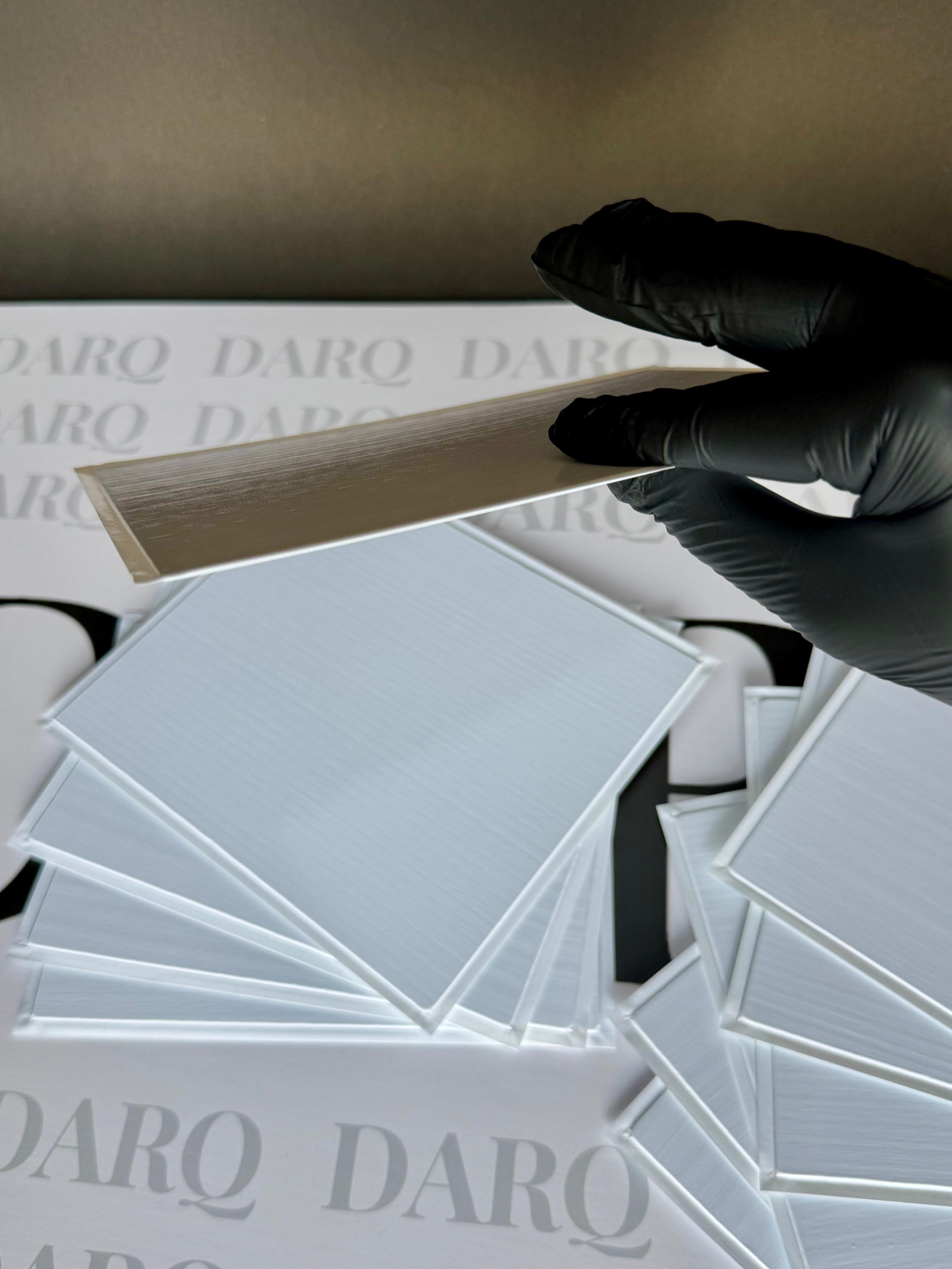
This challenge has encouraged engineers to integrate an EV battery fire protection pad into battery safety architecture at earlier stages of development. The goal is to create additional time for cooling systems, monitoring technologies, and safety protocols to react before heat reaches neighboring cells.
At the same time, manufacturers cannot afford to sacrifice battery performance. Heavy or bulky insulation materials can reduce design flexibility and increase pack weight. This has created demand for lightweight, ultra-thin solutions that fit inside compact battery structures while still providing high-temperature resistance.
Many engineering teams are also evaluating advanced EV lithium battery fire barrier sheet technologies that can be incorporated directly into module layouts. These materials help support modern battery designs where space efficiency and safety must coexist.
Darq Industries works with manufacturers seeking thermal protection materials that can tolerate temperatures approaching 1000°C while remaining practical for integration. Their approach focuses on lightweight construction, installation efficiency, and compatibility with modern EV battery architectures.
As future regulations place greater emphasis on battery safety validation, thermal protection materials will become a more important part of compliance strategies. Engineers planning next-generation battery platforms are increasingly viewing thermal containment as a fundamental design requirement rather than a secondary safety feature.
Visit our website for more information - https://www.darqindia.com/product-page/ev-battery-thermal-runaway-protection-pad-1000cEV Battery Thermal Protection Is Becoming a Key Part of Future Safety Compliance As electric vehicle regulations continue to evolve, battery safety is moving from a design preference to a compliance requirement. OEMs and battery manufacturers are under increasing pressure to demonstrate how their battery systems can reduce the impact of thermal incidents and improve passenger safety. One area receiving greater attention is thermal propagation control. When a battery cell experiences failure, the biggest concern is often not the first cell itself but how quickly heat spreads to surrounding cells. Without proper containment, a localized event can escalate across an entire battery module. This challenge has encouraged engineers to integrate an EV battery fire protection pad into battery safety architecture at earlier stages of development. The goal is to create additional time for cooling systems, monitoring technologies, and safety protocols to react before heat reaches neighboring cells. At the same time, manufacturers cannot afford to sacrifice battery performance. Heavy or bulky insulation materials can reduce design flexibility and increase pack weight. This has created demand for lightweight, ultra-thin solutions that fit inside compact battery structures while still providing high-temperature resistance. Many engineering teams are also evaluating advanced EV lithium battery fire barrier sheet technologies that can be incorporated directly into module layouts. These materials help support modern battery designs where space efficiency and safety must coexist. Darq Industries works with manufacturers seeking thermal protection materials that can tolerate temperatures approaching 1000°C while remaining practical for integration. Their approach focuses on lightweight construction, installation efficiency, and compatibility with modern EV battery architectures. As future regulations place greater emphasis on battery safety validation, thermal protection materials will become a more important part of compliance strategies. Engineers planning next-generation battery platforms are increasingly viewing thermal containment as a fundamental design requirement rather than a secondary safety feature. Visit our website for more information - https://www.darqindia.com/product-page/ev-battery-thermal-runaway-protection-pad-1000c0 Comentários 0 Compartilhamentos 4KB Visualizações 0 Anterior -
EV Battery Thermal Innovation Reducing Weight Without Sacrificing Fire Protection
One of the biggest engineering challenges in modern EV battery packs is balancing safety with energy density. OEM teams want larger driving range, lighter vehicles, and compact battery architecture. At the same time, battery safety expectations are becoming stricter every year.
This is creating a major shift in how engineers select insulation materials inside EV battery modules.
Traditional insulation layers often solve one problem while creating another. Thick barriers may improve heat resistance but increase overall battery weight. Some materials occupy valuable pack space, limiting design flexibility for high-density modules. In many cases, installation complexity also slows down manufacturing.
This is why lightweight thermal protection solutions are gaining attention across the EV industry. An effective EV battery thermal insulation pad must now do more than resist heat. It must integrate easily into compact battery structures while supporting long-term safety performance.
Engineers are increasingly looking at thin insulation technologies that can tolerate extreme temperatures without adding bulk. A modern battery pack insulation material should help delay heat transfer during thermal runaway conditions while maintaining lightweight integration inside the module.
Darq Industries has been supporting battery manufacturers facing this exact issue. Their insulation approach focuses on ultra-thin thermal barriers that fit into tight battery spaces without heavily impacting weight or module design. Materials capable of handling temperatures up to 1000°C are becoming important for future EV platforms where thermal propagation control is critical.
Another factor driving adoption is manufacturing practicality. Engineers prefer solutions that are easier to cut, position, and install consistently across large production volumes. Lightweight materials that simplify assembly can improve both production speed and reliability.
As EV battery systems continue evolving, safety engineering will increasingly depend on intelligent material selection rather than oversized protection layers. The future of battery protection is not only about stopping heat. It is about doing it efficiently, within limited space, and without compromising vehicle performance.
For battery designers working on next-generation EV platforms, advanced insulation materials are quickly becoming a necessary part of the thermal safety strategy rather than an optional upgrade.
Visit our website for more information - https://www.darqindia.com/product-page/ev-battery-thermal-pad-single-side-adhesive
EV Battery Thermal Innovation Reducing Weight Without Sacrificing Fire Protection One of the biggest engineering challenges in modern EV battery packs is balancing safety with energy density. OEM teams want larger driving range, lighter vehicles, and compact battery architecture. At the same time, battery safety expectations are becoming stricter every year. This is creating a major shift in how engineers select insulation materials inside EV battery modules. Traditional insulation layers often solve one problem while creating another. Thick barriers may improve heat resistance but increase overall battery weight. Some materials occupy valuable pack space, limiting design flexibility for high-density modules. In many cases, installation complexity also slows down manufacturing. This is why lightweight thermal protection solutions are gaining attention across the EV industry. An effective EV battery thermal insulation pad must now do more than resist heat. It must integrate easily into compact battery structures while supporting long-term safety performance. Engineers are increasingly looking at thin insulation technologies that can tolerate extreme temperatures without adding bulk. A modern battery pack insulation material should help delay heat transfer during thermal runaway conditions while maintaining lightweight integration inside the module. Darq Industries has been supporting battery manufacturers facing this exact issue. Their insulation approach focuses on ultra-thin thermal barriers that fit into tight battery spaces without heavily impacting weight or module design. Materials capable of handling temperatures up to 1000°C are becoming important for future EV platforms where thermal propagation control is critical. Another factor driving adoption is manufacturing practicality. Engineers prefer solutions that are easier to cut, position, and install consistently across large production volumes. Lightweight materials that simplify assembly can improve both production speed and reliability. As EV battery systems continue evolving, safety engineering will increasingly depend on intelligent material selection rather than oversized protection layers. The future of battery protection is not only about stopping heat. It is about doing it efficiently, within limited space, and without compromising vehicle performance. For battery designers working on next-generation EV platforms, advanced insulation materials are quickly becoming a necessary part of the thermal safety strategy rather than an optional upgrade. Visit our website for more information - https://www.darqindia.com/product-page/ev-battery-thermal-pad-single-side-adhesive0 Comentários 0 Compartilhamentos 970 Visualizações 0 Anterior -
EV Battery Thermal Strategy That Prevents Cell-to-Cell Failure in High-Density Packs
Battery energy density is increasing, but so is the risk associated with it. When cells are tightly packed, even a small failure can escalate quickly. Engineers working on modern EV platforms know that the real challenge is not just detecting thermal events—but slowing them down before they spread.
This is where a well-planned EV battery thermal runaway protection pad becomes critical inside battery modules.
In real-world scenarios, thermal runaway does not affect a single cell in isolation. Heat travels across neighboring cells, structural frames, and enclosure surfaces. Without a proper barrier, the entire module can be compromised within seconds. Engineers are now focusing on integrating passive protection layers that delay this heat transfer.
A key advantage of using a thermal barrier for EV battery modules is the ability to create controlled thermal zones inside the pack. Instead of allowing uncontrolled heat propagation, these barriers act as checkpoints. They slow down temperature rise and give battery management systems valuable time to respond.
However, not all insulation materials are suitable for this job. Traditional options are often bulky and difficult to fit into compact module layouts. This leads to trade-offs between safety and design efficiency.
This is where newer-generation materials are changing the approach. Ultra-thin insulation layers allow engineers to introduce protection without redesigning the module structure. These materials can tolerate extreme temperatures while maintaining structural integrity, which is essential during high-risk events.
Teams working with Darq Industries are increasingly exploring these advanced protection layers because they offer a balance between performance and integration. Instead of treating thermal protection as an add-on, engineers are now building it directly into the architecture of the battery pack.
From a future perspective, this shift is important. As EV platforms evolve, safety strategies will rely more on passive protection systems that work instantly without external intervention. Thermal barriers will not just be optional—they will become a standard design requirement.
For engineers and OEM teams, the focus should now be on selecting materials that can actively slow down failure progression while fitting seamlessly into compact battery designs. Early adoption of structured thermal protection strategies can significantly improve the overall safety profile of next-generation EV battery systems.
Visit our website for more information - https://www.darqindia.com/product-page/ev-battery-thermal-runaway-protection-pad-1000c
EV Battery Thermal Strategy That Prevents Cell-to-Cell Failure in High-Density Packs Battery energy density is increasing, but so is the risk associated with it. When cells are tightly packed, even a small failure can escalate quickly. Engineers working on modern EV platforms know that the real challenge is not just detecting thermal events—but slowing them down before they spread. This is where a well-planned EV battery thermal runaway protection pad becomes critical inside battery modules. In real-world scenarios, thermal runaway does not affect a single cell in isolation. Heat travels across neighboring cells, structural frames, and enclosure surfaces. Without a proper barrier, the entire module can be compromised within seconds. Engineers are now focusing on integrating passive protection layers that delay this heat transfer. A key advantage of using a thermal barrier for EV battery modules is the ability to create controlled thermal zones inside the pack. Instead of allowing uncontrolled heat propagation, these barriers act as checkpoints. They slow down temperature rise and give battery management systems valuable time to respond. However, not all insulation materials are suitable for this job. Traditional options are often bulky and difficult to fit into compact module layouts. This leads to trade-offs between safety and design efficiency. This is where newer-generation materials are changing the approach. Ultra-thin insulation layers allow engineers to introduce protection without redesigning the module structure. These materials can tolerate extreme temperatures while maintaining structural integrity, which is essential during high-risk events. Teams working with Darq Industries are increasingly exploring these advanced protection layers because they offer a balance between performance and integration. Instead of treating thermal protection as an add-on, engineers are now building it directly into the architecture of the battery pack. From a future perspective, this shift is important. As EV platforms evolve, safety strategies will rely more on passive protection systems that work instantly without external intervention. Thermal barriers will not just be optional—they will become a standard design requirement. For engineers and OEM teams, the focus should now be on selecting materials that can actively slow down failure progression while fitting seamlessly into compact battery designs. Early adoption of structured thermal protection strategies can significantly improve the overall safety profile of next-generation EV battery systems. Visit our website for more information - https://www.darqindia.com/product-page/ev-battery-thermal-runaway-protection-pad-1000c0 Comentários 0 Compartilhamentos 973 Visualizações 0 Anterior -
Aerogel insulation for Aerospace Thermal Stability Applications
In aerospace engineering, insulation decisions are never routine.
Every gram matters. Every millimeter matters. And every temperature shift matters even more.
That’s why engineers working on aircraft systems, satellites, UAV platforms, and defense mobility technologies are increasingly evaluating aerogel insulation as part of next-generation thermal stability planning.
Why aerospace insulation requirements are different from conventional industries
Most traditional insulation materials were designed for buildings or pipelines.
Aerospace environments demand something entirely different:
1. extreme temperature variation
2. vibration exposure
3. weight limitations
4. compact structural packaging
5. high reliability expectations
These conditions make material selection far more critical.
Aerogel insulation performs well in environments where conventional insulation becomes too heavy or too bulky.
Supporting lightweight aircraft structural performance -
Weight reduction directly improves:
1. fuel efficiency
2. payload flexibility
3. mission duration
4. performance stability
Even small reductions in insulation thickness create measurable improvements across aerospace systems.
Because aerogel insulation provides very high thermal resistance per millimeter, engineers can achieve insulation goals without adding unnecessary structural load.
That’s one reason research teams exploring solutions from Aerogel insulation manufacturers India are expanding aerogel-based applications in aerospace environments.
Thermal protection for avionics and sensitive equipment compartments -
Modern aircraft contain highly sensitive electronics systems that must operate within controlled temperature ranges.
Thermal fluctuations can affect:
1. sensor performance
2. communication modules
3. navigation equipment
4. battery backup systems
Aerogel insulation helps create thermal stability zones inside aircraft structures without increasing enclosure size.
This makes it valuable for both civilian and defense aerospace integration.
Supporting satellite and space mobility insulation strategies -
Space environments introduce another level of complexity.
Equipment exposed to vacuum conditions experiences extreme temperature cycling.
Aerogel insulation supports:
1. radiation-resistant performance stability
2. temperature barrier efficiency
3. lightweight structural compatibility
Because of these characteristics, aerogel has already proven useful in advanced aerospace mission insulation systems worldwide.
Improving fire safety margins in aerospace cabins and modules
Passenger safety remains one of the most important priorities in aircraft design.
Insulation materials inside aircraft must support fire resistance performance while maintaining minimal weight.
Aerogel insulation provides high-temperature resistance characteristics that help strengthen safety margins in enclosed aviation structures.
This makes it attractive for engineers evaluating whether to Buy aerogel insulation blanket solutions for lightweight structural insulation layers.
Supporting unmanned aerial vehicle thermal performance -
Drone technology is evolving rapidly across:
1. infrastructure inspection
2. logistics delivery
3. defense surveillance
4. mapping operations
Compact UAV systems benefit significantly from insulation materials that improve temperature stability without increasing payload weight.
Aerogel insulation supports this requirement effectively.
Advanced insulation support for aerospace innovation environments -
Material innovation plays a major role in aerospace progress.
Darq Industries supports advanced engineering teams with aerogel insulation solutions suitable for high-performance thermal protection environments where lightweight reliability matters most.
Final thoughts
Aerospace insulation decisions influence safety, performance, and mission efficiency simultaneously.
As aircraft and satellite systems become more compact and thermally demanding, advanced insulation materials are becoming essential rather than optional.
Aerogel insulation offers engineers a powerful solution for achieving thermal stability without increasing system weight or structural complexity.
Visit our website for more information - https://www.darqindia.com/aerogel-insulation
Aerogel insulation for Aerospace Thermal Stability Applications In aerospace engineering, insulation decisions are never routine. Every gram matters. Every millimeter matters. And every temperature shift matters even more. That’s why engineers working on aircraft systems, satellites, UAV platforms, and defense mobility technologies are increasingly evaluating aerogel insulation as part of next-generation thermal stability planning. Why aerospace insulation requirements are different from conventional industries Most traditional insulation materials were designed for buildings or pipelines. Aerospace environments demand something entirely different: 1. extreme temperature variation 2. vibration exposure 3. weight limitations 4. compact structural packaging 5. high reliability expectations These conditions make material selection far more critical. Aerogel insulation performs well in environments where conventional insulation becomes too heavy or too bulky. Supporting lightweight aircraft structural performance - Weight reduction directly improves: 1. fuel efficiency 2. payload flexibility 3. mission duration 4. performance stability Even small reductions in insulation thickness create measurable improvements across aerospace systems. Because aerogel insulation provides very high thermal resistance per millimeter, engineers can achieve insulation goals without adding unnecessary structural load. That’s one reason research teams exploring solutions from Aerogel insulation manufacturers India are expanding aerogel-based applications in aerospace environments. Thermal protection for avionics and sensitive equipment compartments - Modern aircraft contain highly sensitive electronics systems that must operate within controlled temperature ranges. Thermal fluctuations can affect: 1. sensor performance 2. communication modules 3. navigation equipment 4. battery backup systems Aerogel insulation helps create thermal stability zones inside aircraft structures without increasing enclosure size. This makes it valuable for both civilian and defense aerospace integration. Supporting satellite and space mobility insulation strategies - Space environments introduce another level of complexity. Equipment exposed to vacuum conditions experiences extreme temperature cycling. Aerogel insulation supports: 1. radiation-resistant performance stability 2. temperature barrier efficiency 3. lightweight structural compatibility Because of these characteristics, aerogel has already proven useful in advanced aerospace mission insulation systems worldwide. Improving fire safety margins in aerospace cabins and modules Passenger safety remains one of the most important priorities in aircraft design. Insulation materials inside aircraft must support fire resistance performance while maintaining minimal weight. Aerogel insulation provides high-temperature resistance characteristics that help strengthen safety margins in enclosed aviation structures. This makes it attractive for engineers evaluating whether to Buy aerogel insulation blanket solutions for lightweight structural insulation layers. Supporting unmanned aerial vehicle thermal performance - Drone technology is evolving rapidly across: 1. infrastructure inspection 2. logistics delivery 3. defense surveillance 4. mapping operations Compact UAV systems benefit significantly from insulation materials that improve temperature stability without increasing payload weight. Aerogel insulation supports this requirement effectively. Advanced insulation support for aerospace innovation environments - Material innovation plays a major role in aerospace progress. Darq Industries supports advanced engineering teams with aerogel insulation solutions suitable for high-performance thermal protection environments where lightweight reliability matters most. Final thoughts Aerospace insulation decisions influence safety, performance, and mission efficiency simultaneously. As aircraft and satellite systems become more compact and thermally demanding, advanced insulation materials are becoming essential rather than optional. Aerogel insulation offers engineers a powerful solution for achieving thermal stability without increasing system weight or structural complexity. Visit our website for more information - https://www.darqindia.com/aerogel-insulation0 Comentários 0 Compartilhamentos 1KB Visualizações 0 Anterior -
Aerogel insulation improving efficiency in industrial boiler and heat recovery systems -
Industrial boilers and heat recovery systems play a central role in improving plant energy efficiency. These systems capture and reuse thermal energy that would otherwise be lost during process operations.
Maintaining stable temperature conditions across these systems is essential for maximizing recovery efficiency.
This is where aerogel insulation is becoming an increasingly effective solution for engineers working on energy-optimized industrial infrastructure.
Why boiler insulation performance directly impacts plant efficiency -
Boiler systems operate at elevated temperatures across extended operating cycles.
Without effective insulation protection, facilities may experience:
1. heat loss across boiler surfaces
2. reduced heat recovery efficiency
3. increased fuel consumption
4. higher operational costs
Aerogel insulation helps reduce these challenges by supporting improved thermal retention across boiler infrastructure systems.
Supporting compact insulation installation around boiler assemblies -
Industrial boiler rooms often contain tightly arranged equipment layouts where installation space is limited.
Traditional insulation materials can restrict accessibility when thicker insulation layers are required.
Aerogel insulation supports compact installation configurations that allow engineers to maintain accessibility while improving insulation performance.
This helps improve maintenance flexibility across boiler infrastructure.
Improving performance of heat recovery systems -
Heat recovery systems are designed to capture residual thermal energy from exhaust streams and process outputs.
Maintaining stable temperature conditions across recovery surfaces improves energy reuse efficiency.
Aerogel insulation helps reduce unwanted heat loss across these systems, supporting more predictable recovery performance across industrial operations.
This contributes directly to improved plant energy efficiency.
Supporting safer operating conditions in high-temperature boiler environments -
Boiler rooms contain multiple high-temperature surfaces that require effective insulation protection to maintain safe working environments.
Aerogel insulation helps reduce external surface temperatures around insulated equipment.
This improves operator safety and contributes to better thermal control across plant infrastructure.
Supporting lifecycle performance across boiler infrastructure systems -
Industrial boiler systems operate continuously across long service lifecycles.
Aerogel insulation contributes to improved durability by supporting:
1. stable insulation performance
2. reduced replacement frequency
3. lower inspection requirements
4. consistent thermal protection
Darq Industries provides aerogel insulation solutions designed for industrial boiler environments where thermal efficiency and operational reliability remain critical priorities.
Visit our website for more information -https://www.darqindia.com/aerogel-insulation-price-india
Aerogel insulation improving efficiency in industrial boiler and heat recovery systems - Industrial boilers and heat recovery systems play a central role in improving plant energy efficiency. These systems capture and reuse thermal energy that would otherwise be lost during process operations. Maintaining stable temperature conditions across these systems is essential for maximizing recovery efficiency. This is where aerogel insulation is becoming an increasingly effective solution for engineers working on energy-optimized industrial infrastructure. Why boiler insulation performance directly impacts plant efficiency - Boiler systems operate at elevated temperatures across extended operating cycles. Without effective insulation protection, facilities may experience: 1. heat loss across boiler surfaces 2. reduced heat recovery efficiency 3. increased fuel consumption 4. higher operational costs Aerogel insulation helps reduce these challenges by supporting improved thermal retention across boiler infrastructure systems. Supporting compact insulation installation around boiler assemblies - Industrial boiler rooms often contain tightly arranged equipment layouts where installation space is limited. Traditional insulation materials can restrict accessibility when thicker insulation layers are required. Aerogel insulation supports compact installation configurations that allow engineers to maintain accessibility while improving insulation performance. This helps improve maintenance flexibility across boiler infrastructure. Improving performance of heat recovery systems - Heat recovery systems are designed to capture residual thermal energy from exhaust streams and process outputs. Maintaining stable temperature conditions across recovery surfaces improves energy reuse efficiency. Aerogel insulation helps reduce unwanted heat loss across these systems, supporting more predictable recovery performance across industrial operations. This contributes directly to improved plant energy efficiency. Supporting safer operating conditions in high-temperature boiler environments - Boiler rooms contain multiple high-temperature surfaces that require effective insulation protection to maintain safe working environments. Aerogel insulation helps reduce external surface temperatures around insulated equipment. This improves operator safety and contributes to better thermal control across plant infrastructure. Supporting lifecycle performance across boiler infrastructure systems - Industrial boiler systems operate continuously across long service lifecycles. Aerogel insulation contributes to improved durability by supporting: 1. stable insulation performance 2. reduced replacement frequency 3. lower inspection requirements 4. consistent thermal protection Darq Industries provides aerogel insulation solutions designed for industrial boiler environments where thermal efficiency and operational reliability remain critical priorities. Visit our website for more information -https://www.darqindia.com/aerogel-insulation-price-india0 Comentários 0 Compartilhamentos 505 Visualizações 0 Anterior -
Aerogel Insulation for Railway and Metro Infrastructure -
The Challenge of Urban Transit Systems
Modern railway and metro systems are expanding rapidly across cities. From underground tunnels to elevated tracks, these systems operate in highly variable environments—heat, vibration, dust, and limited space.
For engineers and planners, insulation is not just about temperature—it’s about durability, safety, and long-term performance.
This is where aerogel insulation offers a practical advantage.
Managing Temperature in Critical Systems
Railway and metro infrastructure includes electrical systems, control rooms, and cable networks that are sensitive to temperature fluctuations.
In underground tunnels, heat tends to build up due to confined spaces and continuous operations. Without proper insulation, this heat can affect system reliability.
Aerogel insulation helps control temperature by minimizing heat transfer around:
1. Electrical cabinets
2. Signal systems
3. Cable trays
This ensures stable performance even during peak operations.
Space Constraints in Dense Infrastructure
One of the biggest challenges in metro projects is space. Tunnels, service ducts, and equipment rooms are tightly packed.
Traditional insulation materials often require thick layers, which can complicate installation.
Aerogel insulation, with its thin and flexible structure, fits easily into compact areas. It allows engineers to insulate critical components without redesigning layouts.
Durability in High-Vibration Environments
Railway systems are constantly exposed to vibration. Over time, this can degrade conventional insulation materials.
Aerogel insulation is lightweight and adaptable, making it more resistant to mechanical stress. It maintains performance even in dynamic environments.
For infrastructure projects, this reduces the need for frequent maintenance and replacement.
Supporting Energy Efficiency Goals
Urban transport systems are under pressure to become more energy-efficient. Insulation plays a key role in reducing unnecessary energy loss.
By improving thermal control, aerogel insulation helps optimize system efficiency, especially in air-conditioned stations and control rooms.
Railway and metro infrastructure demands materials that perform reliably under pressure.
Aerogel insulation provides a balance of thermal performance, durability, and space efficiency—making it a strong choice for modern transit systems.
Darq Industries offers aerogel insulation solutions designed to meet the evolving needs of urban infrastructure projects.
Visit our website for more information - https://www.darqindia.com/aerogel-insulation-india
Aerogel Insulation for Railway and Metro Infrastructure - The Challenge of Urban Transit Systems Modern railway and metro systems are expanding rapidly across cities. From underground tunnels to elevated tracks, these systems operate in highly variable environments—heat, vibration, dust, and limited space. For engineers and planners, insulation is not just about temperature—it’s about durability, safety, and long-term performance. This is where aerogel insulation offers a practical advantage. Managing Temperature in Critical Systems Railway and metro infrastructure includes electrical systems, control rooms, and cable networks that are sensitive to temperature fluctuations. In underground tunnels, heat tends to build up due to confined spaces and continuous operations. Without proper insulation, this heat can affect system reliability. Aerogel insulation helps control temperature by minimizing heat transfer around: 1. Electrical cabinets 2. Signal systems 3. Cable trays This ensures stable performance even during peak operations. Space Constraints in Dense Infrastructure One of the biggest challenges in metro projects is space. Tunnels, service ducts, and equipment rooms are tightly packed. Traditional insulation materials often require thick layers, which can complicate installation. Aerogel insulation, with its thin and flexible structure, fits easily into compact areas. It allows engineers to insulate critical components without redesigning layouts. Durability in High-Vibration Environments Railway systems are constantly exposed to vibration. Over time, this can degrade conventional insulation materials. Aerogel insulation is lightweight and adaptable, making it more resistant to mechanical stress. It maintains performance even in dynamic environments. For infrastructure projects, this reduces the need for frequent maintenance and replacement. Supporting Energy Efficiency Goals Urban transport systems are under pressure to become more energy-efficient. Insulation plays a key role in reducing unnecessary energy loss. By improving thermal control, aerogel insulation helps optimize system efficiency, especially in air-conditioned stations and control rooms. Railway and metro infrastructure demands materials that perform reliably under pressure. Aerogel insulation provides a balance of thermal performance, durability, and space efficiency—making it a strong choice for modern transit systems. Darq Industries offers aerogel insulation solutions designed to meet the evolving needs of urban infrastructure projects. Visit our website for more information - https://www.darqindia.com/aerogel-insulation-india0 Comentários 0 Compartilhamentos 498 Visualizações 0 Anterior -
Aerogel Insulation for Data Centers: Controlling Heat in High-Density Server Environments -
Data centers are the silent backbone of our digital world. From banking transactions to cloud storage and AI processing, everything runs through high-density server environments that generate enormous amounts of heat. While cooling systems often get the spotlight, insulation inside critical infrastructure plays an equally important role.
When thermal management is inefficient, energy consumption rises sharply. And in a data center operating 24/7, even minor heat loss or gain can translate into significant operational cost.
The Hidden Thermal Challenge in Data Centers
Server rooms, battery backup systems, and power distribution units operate continuously. Precision cooling is required to maintain stable internal temperatures. However, mechanical rooms, chilled water pipelines, and structural envelopes often allow unwanted heat transfer if not properly insulated.
Traditional insulation materials can be bulky and difficult to integrate into tight mechanical corridors. In retrofit projects especially, space is limited and reworking ducting or piping layouts becomes expensive.
Aerogel insulation offers a smarter approach.
Why Aerogel Insulation Makes Sense for High-Density Facilities
Aerogel insulation delivers extremely high thermal resistance in a thin profile. For data center architects and MEP consultants, this means:
1. Improved insulation without increasing pipe diameter
2. Better energy containment in chilled water systems
3. Reduced condensation risks
4. Lower strain on HVAC systems
Its hydrophobic nature helps prevent moisture buildup, which is critical in environments where condensation can damage sensitive electrical infrastructure.
For decision-makers researching Aerogel insulation for construction, the appeal lies in long-term operational savings. When insulation improves cooling efficiency, the power usage effectiveness (PUE) of the facility improves — and that directly affects profitability.
Addressing Cost Concerns
Yes, aerogel insulation may carry a higher upfront price than conventional options. But in high-load facilities like data centers, lifecycle cost matters more than initial cost.
Lower heat gain means:
1. Reduced compressor runtime
2. Lower electricity bills
3. Improved equipment lifespan
Over years of operation, these benefits often outweigh the initial investment.
Future-Proofing Digital Infrastructure
As data demand grows globally, new data centers must meet stricter efficiency benchmarks. Regulatory frameworks and sustainability certifications are increasingly influencing design decisions.
Aerogel insulation supports green building goals by enhancing thermal performance without structural expansion.
If you’re designing or upgrading a high-performance data facility, explore advanced aerogel insulation solutions to reduce energy waste and protect mission-critical infrastructure.
Visit our website for more Information - https://www.darqindia.com/aerogel-insulation
Aerogel Insulation for Data Centers: Controlling Heat in High-Density Server Environments - Data centers are the silent backbone of our digital world. From banking transactions to cloud storage and AI processing, everything runs through high-density server environments that generate enormous amounts of heat. While cooling systems often get the spotlight, insulation inside critical infrastructure plays an equally important role. When thermal management is inefficient, energy consumption rises sharply. And in a data center operating 24/7, even minor heat loss or gain can translate into significant operational cost. The Hidden Thermal Challenge in Data Centers Server rooms, battery backup systems, and power distribution units operate continuously. Precision cooling is required to maintain stable internal temperatures. However, mechanical rooms, chilled water pipelines, and structural envelopes often allow unwanted heat transfer if not properly insulated. Traditional insulation materials can be bulky and difficult to integrate into tight mechanical corridors. In retrofit projects especially, space is limited and reworking ducting or piping layouts becomes expensive. Aerogel insulation offers a smarter approach. Why Aerogel Insulation Makes Sense for High-Density Facilities Aerogel insulation delivers extremely high thermal resistance in a thin profile. For data center architects and MEP consultants, this means: 1. Improved insulation without increasing pipe diameter 2. Better energy containment in chilled water systems 3. Reduced condensation risks 4. Lower strain on HVAC systems Its hydrophobic nature helps prevent moisture buildup, which is critical in environments where condensation can damage sensitive electrical infrastructure. For decision-makers researching Aerogel insulation for construction, the appeal lies in long-term operational savings. When insulation improves cooling efficiency, the power usage effectiveness (PUE) of the facility improves — and that directly affects profitability. Addressing Cost Concerns Yes, aerogel insulation may carry a higher upfront price than conventional options. But in high-load facilities like data centers, lifecycle cost matters more than initial cost. Lower heat gain means: 1. Reduced compressor runtime 2. Lower electricity bills 3. Improved equipment lifespan Over years of operation, these benefits often outweigh the initial investment. Future-Proofing Digital Infrastructure As data demand grows globally, new data centers must meet stricter efficiency benchmarks. Regulatory frameworks and sustainability certifications are increasingly influencing design decisions. Aerogel insulation supports green building goals by enhancing thermal performance without structural expansion. If you’re designing or upgrading a high-performance data facility, explore advanced aerogel insulation solutions to reduce energy waste and protect mission-critical infrastructure. Visit our website for more Information - https://www.darqindia.com/aerogel-insulation0 Comentários 0 Compartilhamentos 1KB Visualizações 0 Anterior



Mais stories